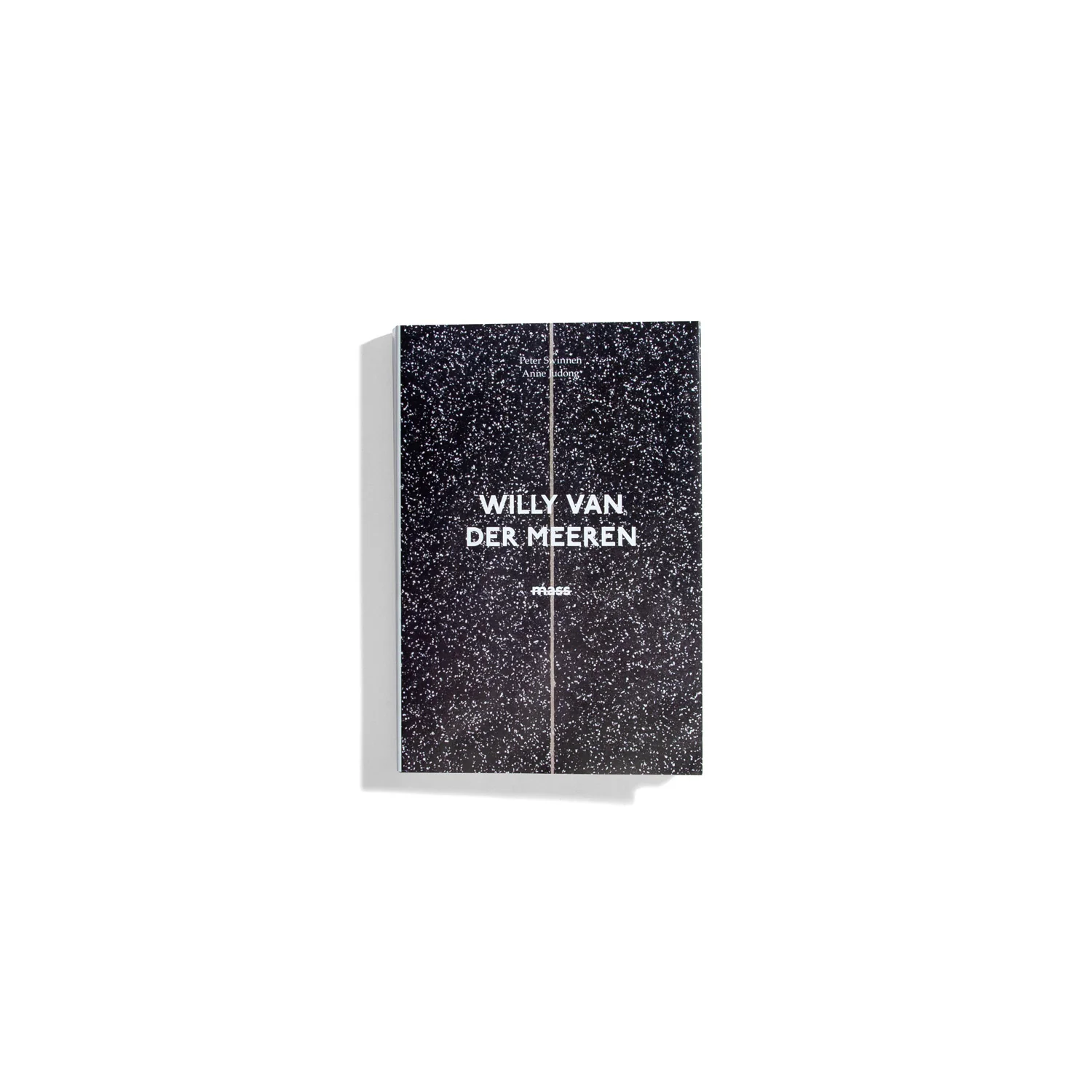
Willy Van der Meeren
Rooted in a firm socialist credo, Willy Van Der Meeren (1923–2002) championed an architecture for the masses—built logically, with as little material as possible, and endowed with the necessary elegance to make it through the day. Van Der Meeren did not preconceive architecture, nor did he postproduce it. He thought, acted, and built in the now, at a scale of 1:1. His architectures—almost without exception—are clear prototypes, awaiting mass production. For more than five decades, Van Der Meeren advocated the intrinsic merger of architecture and the building industry. However, his ideal for line-manufactured and affordable housing never saw the light of day. Perhaps Van der Meeren's democratic furniture collection, produced for TUBAX between 1943 and 1955 when he was emerging as an architect, best approximates his social dream. However, his furniture pieces—like his architecture—are now highly sought-after objects, eventuating in the exact opposite of his quest for a society that would be open to all.
MASS wishes to celebrate Van der Meeren’s uncompromising architectural stance (a rarity), while critically scrutinizing the idea that architecture is unable, perhaps, to have an impact on a larger scale.
Produktinformationen
Produktinformationen
Versand & Rückgabe
Versand & Rückgabe
Description
Rooted in a firm socialist credo, Willy Van Der Meeren (1923–2002) championed an architecture for the masses—built logically, with as little material as possible, and endowed with the necessary elegance to make it through the day. Van Der Meeren did not preconceive architecture, nor did he postproduce it. He thought, acted, and built in the now, at a scale of 1:1. His architectures—almost without exception—are clear prototypes, awaiting mass production. For more than five decades, Van Der Meeren advocated the intrinsic merger of architecture and the building industry. However, his ideal for line-manufactured and affordable housing never saw the light of day. Perhaps Van der Meeren's democratic furniture collection, produced for TUBAX between 1943 and 1955 when he was emerging as an architect, best approximates his social dream. However, his furniture pieces—like his architecture—are now highly sought-after objects, eventuating in the exact opposite of his quest for a society that would be open to all.
MASS wishes to celebrate Van der Meeren’s uncompromising architectural stance (a rarity), while critically scrutinizing the idea that architecture is unable, perhaps, to have an impact on a larger scale.