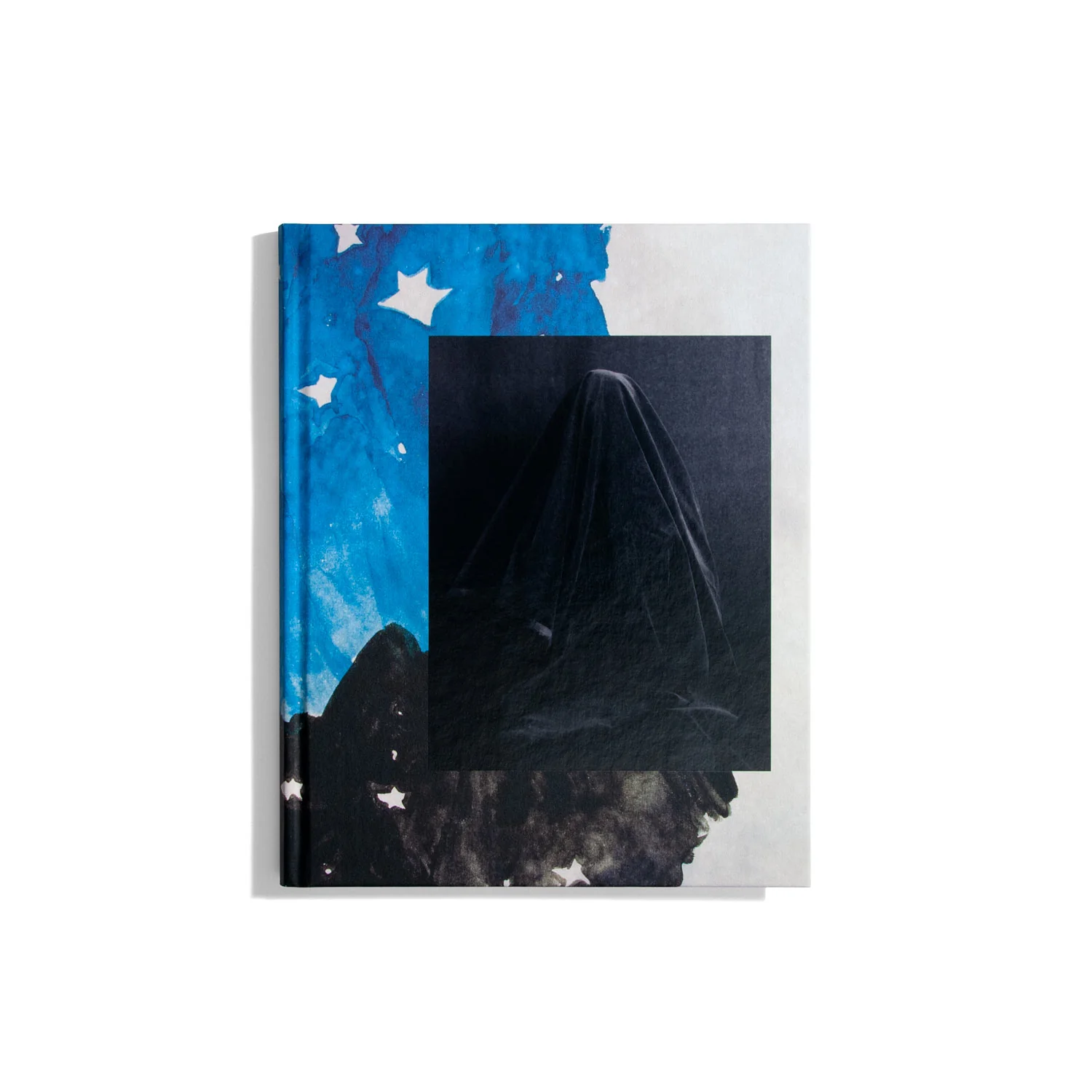
Who is changed and who is dead
In Who is Changed and Who is Dead Ahndraya Parlato uses the life-changing events of her mother’s suicide and the birth of her children as the genesis for an expansive project exploring the contradictory and complex conditions of motherhood. The resulting image-text book threads the political and historical with the deeply personal, more bringing together narratives from across genres and generations to create a nuanced and compelling body of work. Interwoven with her own writings are still lifes, sculptures, photograms made from her mother’s ashes, and reenactments of 19th century ‘hidden mother’ images. Included amongst these are Parlato’s photographs of her children, who are shown with both a fidelity to maternal intimacy and a more distanced contemplation. Within this complexity Parlato strives to find clarity around the fundamental questions of parenthood, mortality, and gender. Are her contemporary fears any different than the fears felt by mothers throughout history? Which anxieties are specific to having female children? And how is motherhood itself a construction?
Produktinformationen
Produktinformationen
Versand & Rückgabe
Versand & Rückgabe
Description
In Who is Changed and Who is Dead Ahndraya Parlato uses the life-changing events of her mother’s suicide and the birth of her children as the genesis for an expansive project exploring the contradictory and complex conditions of motherhood. The resulting image-text book threads the political and historical with the deeply personal, more bringing together narratives from across genres and generations to create a nuanced and compelling body of work. Interwoven with her own writings are still lifes, sculptures, photograms made from her mother’s ashes, and reenactments of 19th century ‘hidden mother’ images. Included amongst these are Parlato’s photographs of her children, who are shown with both a fidelity to maternal intimacy and a more distanced contemplation. Within this complexity Parlato strives to find clarity around the fundamental questions of parenthood, mortality, and gender. Are her contemporary fears any different than the fears felt by mothers throughout history? Which anxieties are specific to having female children? And how is motherhood itself a construction?