The Invention of the Neue Wilde
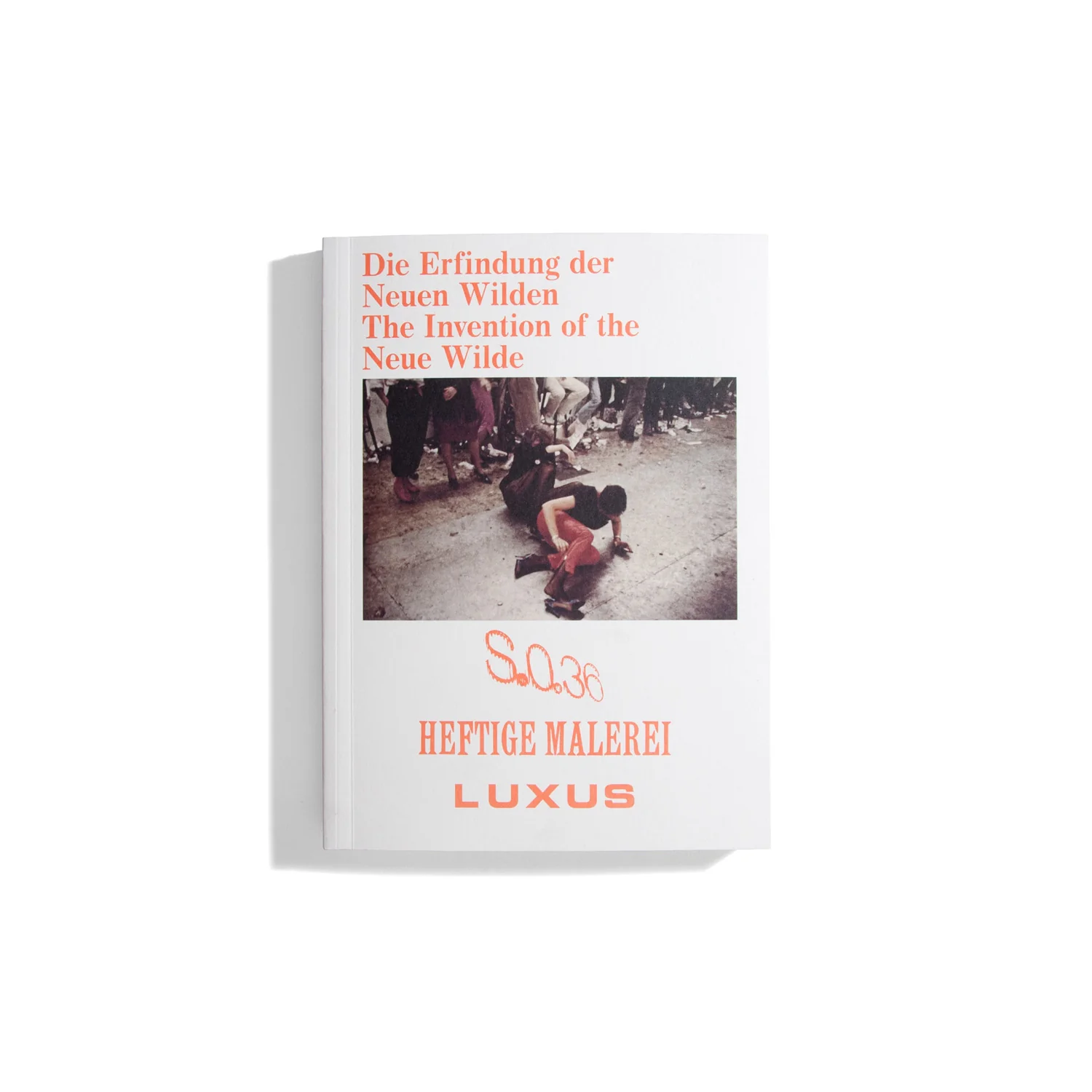
The publication “The Invention of the Neuen Wilden” aims to put a new perspective on the phenomena of the so-called “Neue Wilde”. Instead of focussing on the production of paintings by those involved – and a corresponding catalogue of these paintings – it is much more interested in the emergence of the painting boom out of potent interplay between artists, gallerists, collectors and art historians. moreHere the focus is especially on personal backgrounds and the context in which painters worked. The argument shows that the artistic practises of the “Neuen Wilden” had little to do with a generalised “return” to panel painting and thus to a traditional concept of art. Painting was in fact embedded in an extended network of artistic production, which was particularly characterised by a destabilisation in the division between high and popular culture as well as by various media, genres and collaborative forms of praxis. Hitherto neglected photographic and documentary material as well as artists' posters, records, newspapers, video works and artists' books testify to the artists' experimental bent on one hand, their proximity to self-organised, subcultural phenomenon, such as the punk or new wave scenes of the 1980s on the other. On this basis, the much-described “return” to painting can be exposed as a hugely simplified narrative, while sketching out a complex image of the situation around 1980.
Original: $47.10
-65%$47.10
$16.48Produktinformationen
Produktinformationen
Versand & Rückgabe
Versand & Rückgabe
Description
The publication “The Invention of the Neuen Wilden” aims to put a new perspective on the phenomena of the so-called “Neue Wilde”. Instead of focussing on the production of paintings by those involved – and a corresponding catalogue of these paintings – it is much more interested in the emergence of the painting boom out of potent interplay between artists, gallerists, collectors and art historians. moreHere the focus is especially on personal backgrounds and the context in which painters worked. The argument shows that the artistic practises of the “Neuen Wilden” had little to do with a generalised “return” to panel painting and thus to a traditional concept of art. Painting was in fact embedded in an extended network of artistic production, which was particularly characterised by a destabilisation in the division between high and popular culture as well as by various media, genres and collaborative forms of praxis. Hitherto neglected photographic and documentary material as well as artists' posters, records, newspapers, video works and artists' books testify to the artists' experimental bent on one hand, their proximity to self-organised, subcultural phenomenon, such as the punk or new wave scenes of the 1980s on the other. On this basis, the much-described “return” to painting can be exposed as a hugely simplified narrative, while sketching out a complex image of the situation around 1980.