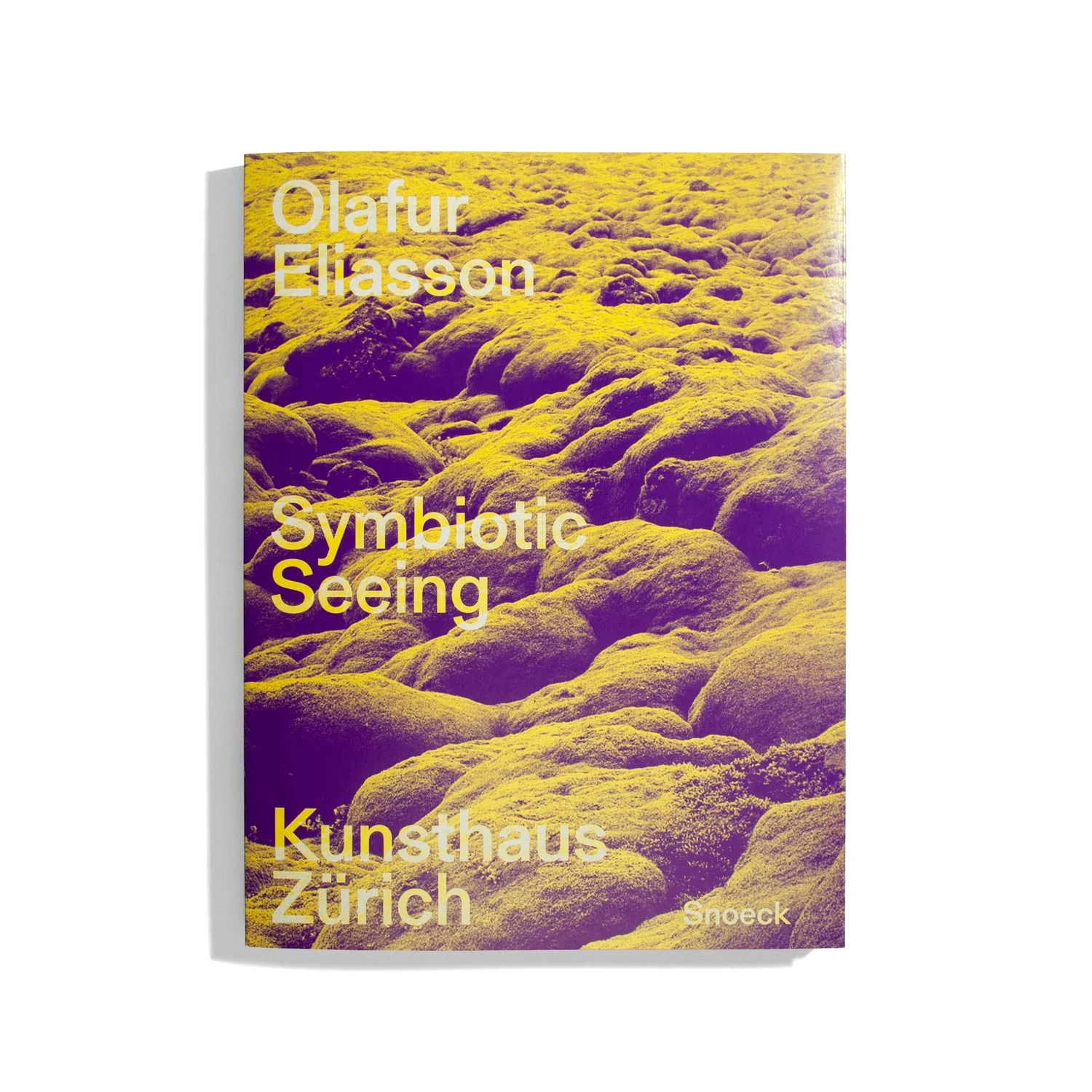
Symbiotic Seeing
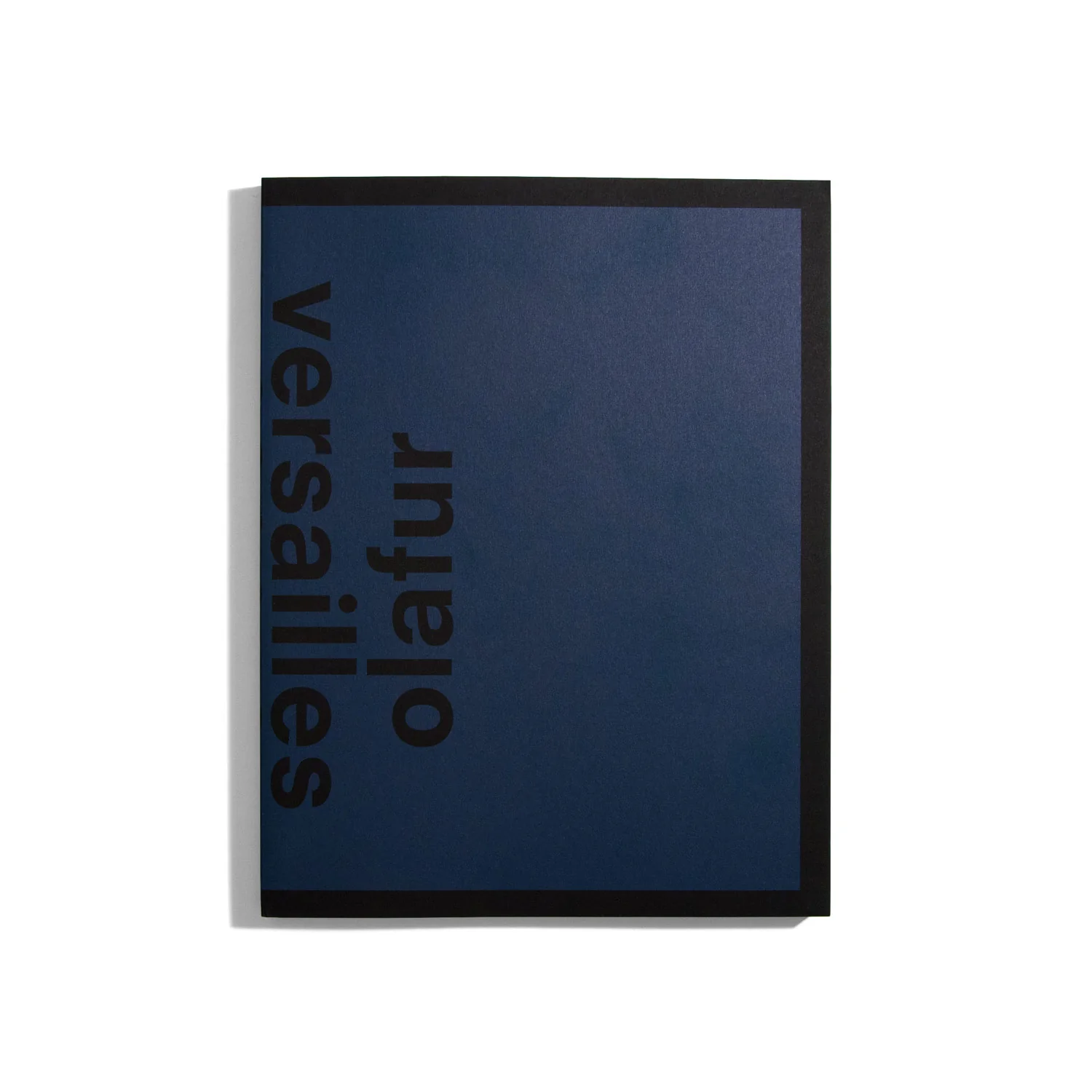
Following the spectacular exhibition of his work in London, Olafur Eliasson (*1967) is now showing a major installation, which has been completely redesigned especially for the Kunsthaus Zürich, in early 2020. It is precisely such large-scale works by the Danish-Icelandic artist that magically attract the viewer. moreOlafur Eliasson says that at the core of his work is the experience of the physical encounter with the work itself. For years he has been one of the most important contemporary artists, he dealt with the topic of sustainability at an early stage and has fascinated many people with ecological themes. The book and exhibition revolve around our relationship to other species and life forms on earth. Olafur Eliasson’s plea for a world view of coexistence and cooperation becomes all the more apparent when he transforms the museum space into an immersive overall installation that appeals to our senses. Without becoming entangled in the scientistic abstract or purely formal, this is reminiscent of scientific arrangements with which physical natural phenomena such as light, water, movement and reflection are explored. The experiential space that the artist creates directly forms a sustainable resonating body for themes such as climate change, migration or the exploitation of our planet’s resources. Olafur Eliasson succeeds in translating questions relevant to survival and the associated social concerns into a formal language that not only appeals to people’s minds, but also touches and moves them emotionally.
Produktinformationen
Produktinformationen
Versand & Rückgabe
Versand & Rückgabe
Description
Following the spectacular exhibition of his work in London, Olafur Eliasson (*1967) is now showing a major installation, which has been completely redesigned especially for the Kunsthaus Zürich, in early 2020. It is precisely such large-scale works by the Danish-Icelandic artist that magically attract the viewer. moreOlafur Eliasson says that at the core of his work is the experience of the physical encounter with the work itself. For years he has been one of the most important contemporary artists, he dealt with the topic of sustainability at an early stage and has fascinated many people with ecological themes. The book and exhibition revolve around our relationship to other species and life forms on earth. Olafur Eliasson’s plea for a world view of coexistence and cooperation becomes all the more apparent when he transforms the museum space into an immersive overall installation that appeals to our senses. Without becoming entangled in the scientistic abstract or purely formal, this is reminiscent of scientific arrangements with which physical natural phenomena such as light, water, movement and reflection are explored. The experiential space that the artist creates directly forms a sustainable resonating body for themes such as climate change, migration or the exploitation of our planet’s resources. Olafur Eliasson succeeds in translating questions relevant to survival and the associated social concerns into a formal language that not only appeals to people’s minds, but also touches and moves them emotionally.