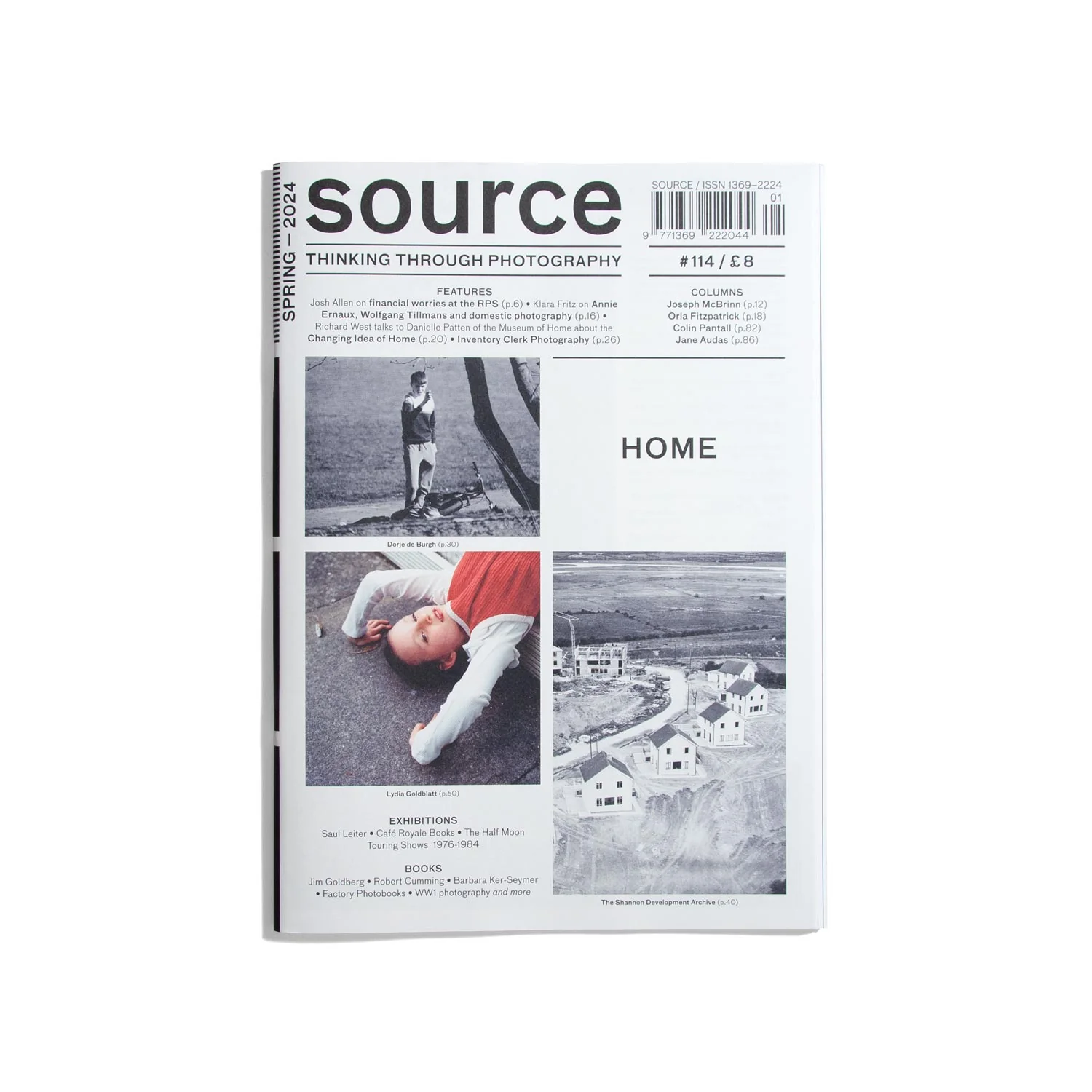
Source #114 Spring 2024
The idea of ‘home’ as a place of refuge is a modern one. As Danielle Patten from the Museum of Home explains, it is only in the 20th Century, with greater home ownership, more regulation of working hours and the pervasiveness of modern communication that we come to see our homes as bastions of privacy. With the advent of social media and the experience of a global pandemic that had us working in our front rooms again, perhaps that process is being reversed and our domestic space is becoming semi-public once more.
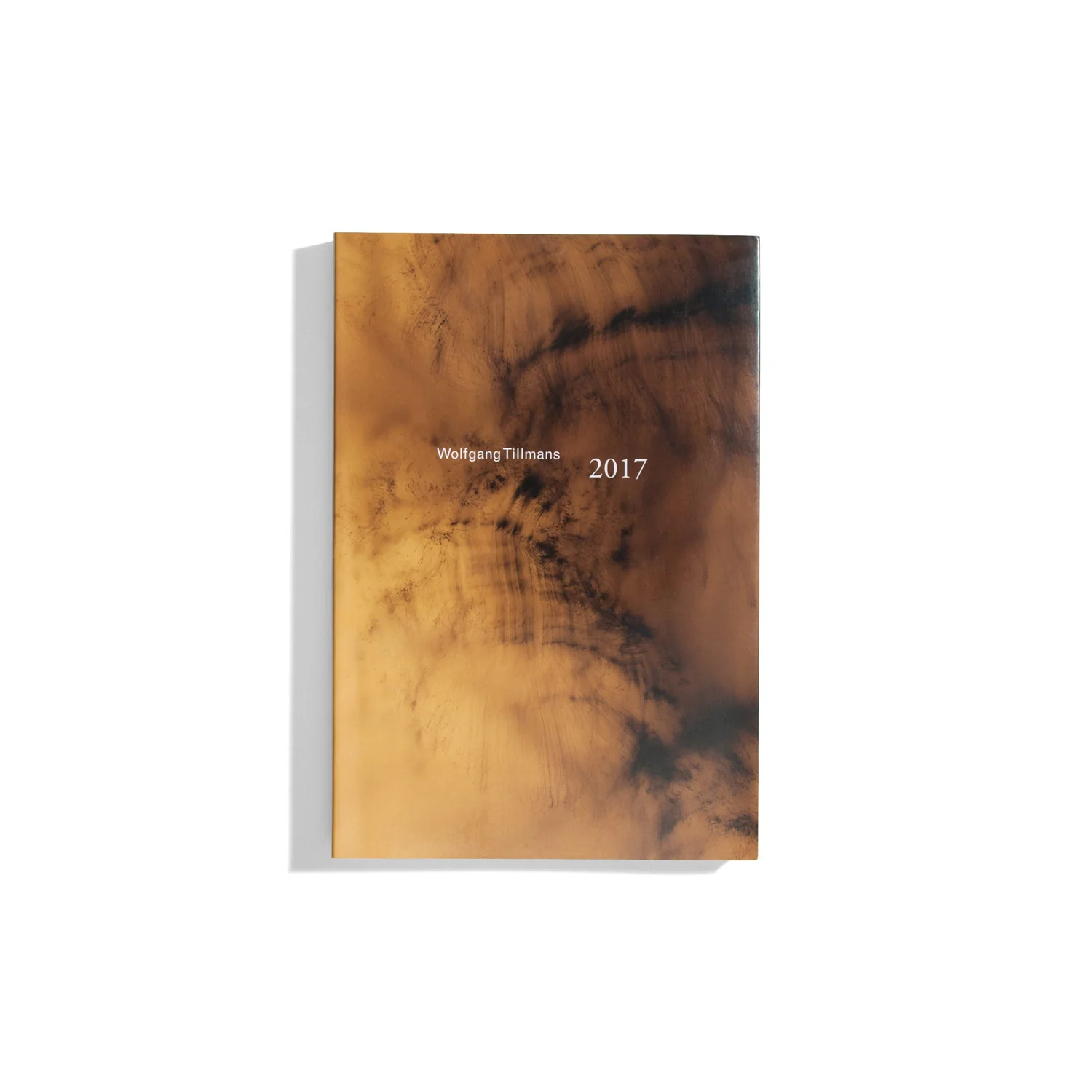
Annie Ernaux and Wolfgang Tillmans in different ways (but with similar photographs) have recorded a particular intimacy associated with our living spaces. They have both photographed discarded clothes, suggesting the recent vulnerability of their wearers. Klara Fritz writes about the way a small domestic untidiness can point to larger philosophical themes of absence.
Lydia Goldblatt’s Fugue is driven by a need to “explore and respond to the fundamental themes of intimacy, claustrophobia, love and loss that have been brought to the fore through the loss of my mother and becoming a mother myself”. The work gives a representation of domestic space that is neither apologetic nor idealised. The poet and essayist Jessica Traynor responds to the images. Traynor’s most recent collection of poems Pit Lullabies includes a fractured sequence of attempted lullabies that moves from dark days of new motherhood to lighter times. Traynor was intrigued by “the echoes I found between our similar but different experiences”.
Dorje de Burgh’s Under the Same Sky documents Carrick-on-Suir and the surrounding area of County Tipperary during the Covid-19 pandemic, in particular that moment’s atmosphere of trauma and inertia. The work attempts to map a personal conception of home, belonging, community and alienation. Una Mullally writes about the work and how it leaves her “questioning: do we ever belong where we end up, even if that’s where we’re ‘from’? Is this place being left behind, or am I?”
The Shannon Development Photographic Archive is part of the Special Collections and Archives Department at the University of Limerick’s Glucksman Library. In 2023 it received funding from the Wellcome Trust to catalogue, conserve, digitise and increase accessibility to its 25,000 – 36,000 original photographic negatives. This was part of a collaborative project The New Jerusalems: post-war New Town archives in Britain and Ireland. We asked Colin Graham to have a look at the archive. In his essay to accompany the images he notes how Shannon “became a home for newcomers and future generations and a kind of social experiment which Ireland was unprepared for”.
Original: $14.13
-65%$14.13
$4.95Produktinformationen
Produktinformationen
Versand & Rückgabe
Versand & Rückgabe
Description
The idea of ‘home’ as a place of refuge is a modern one. As Danielle Patten from the Museum of Home explains, it is only in the 20th Century, with greater home ownership, more regulation of working hours and the pervasiveness of modern communication that we come to see our homes as bastions of privacy. With the advent of social media and the experience of a global pandemic that had us working in our front rooms again, perhaps that process is being reversed and our domestic space is becoming semi-public once more.
Annie Ernaux and Wolfgang Tillmans in different ways (but with similar photographs) have recorded a particular intimacy associated with our living spaces. They have both photographed discarded clothes, suggesting the recent vulnerability of their wearers. Klara Fritz writes about the way a small domestic untidiness can point to larger philosophical themes of absence.
Lydia Goldblatt’s Fugue is driven by a need to “explore and respond to the fundamental themes of intimacy, claustrophobia, love and loss that have been brought to the fore through the loss of my mother and becoming a mother myself”. The work gives a representation of domestic space that is neither apologetic nor idealised. The poet and essayist Jessica Traynor responds to the images. Traynor’s most recent collection of poems Pit Lullabies includes a fractured sequence of attempted lullabies that moves from dark days of new motherhood to lighter times. Traynor was intrigued by “the echoes I found between our similar but different experiences”.
Dorje de Burgh’s Under the Same Sky documents Carrick-on-Suir and the surrounding area of County Tipperary during the Covid-19 pandemic, in particular that moment’s atmosphere of trauma and inertia. The work attempts to map a personal conception of home, belonging, community and alienation. Una Mullally writes about the work and how it leaves her “questioning: do we ever belong where we end up, even if that’s where we’re ‘from’? Is this place being left behind, or am I?”
The Shannon Development Photographic Archive is part of the Special Collections and Archives Department at the University of Limerick’s Glucksman Library. In 2023 it received funding from the Wellcome Trust to catalogue, conserve, digitise and increase accessibility to its 25,000 – 36,000 original photographic negatives. This was part of a collaborative project The New Jerusalems: post-war New Town archives in Britain and Ireland. We asked Colin Graham to have a look at the archive. In his essay to accompany the images he notes how Shannon “became a home for newcomers and future generations and a kind of social experiment which Ireland was unprepared for”.