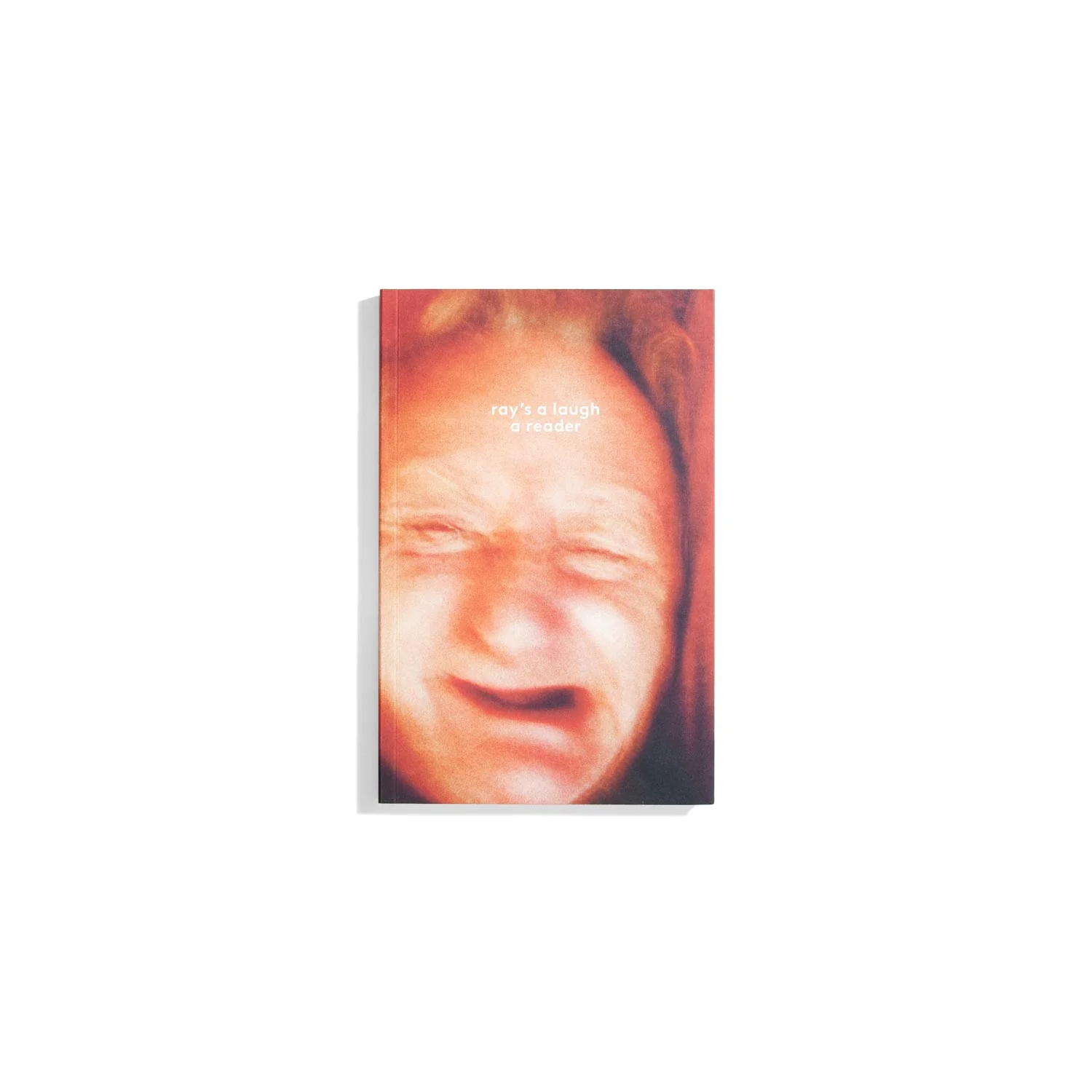
Ray's A Laugh: A Reader (Discourse series)
In 1996, a book of photographs by an unknown young British photographer was launched on to the London contemporary art market to immediate popular and critical success. The pictures were taken within the claustrophobic, chaotic interior of a Birmingham council flat where the photographer’s father, Ray, an alcoholic, lived with Liz, his sedentary and occasionally violent mother, and his younger brother Jason.
For the public, including cultured, art-loving viewers, the pictures were a shock: more intimate, more personal, more oppressive than the well-meaning photojournalistic study of working-class poverty to which they were accustomed. Some saw them as a betrayal – exposing unsuspecting family members to potential humiliation – but from Richard Billingham’s point of view they made moral judgements and had no social or political purpose. He had taken them as reference images for his painting, and their lives as artworks were as much a result of the interventions of other editors and gallerists as of Billingham’s own intentions.
This reader traces the history of a body of work which remains as vital and provocative as on its first release, and whose story tells us much about the workings of art, publishing, and the politics of dissemination. Editor Liz Jobey charts the history in a new essay drawing on interviews with Billingham and all the primary protagonists of the work’s emergence, including Michael Collins, Julian Germain, and Paul Graham. This is followed by an extensive selection of conversations and essays from 1996 to the present day, by writers including Charlotte Cotton, Gordon Burn, Lynn Barber, and Jim Lewis. This book coincides with the release of a new edition of Ray’s a Laugh restoring Billingham’s original vision for the book.
Original: $23.55
-65%$23.55
$8.24Produktinformationen
Produktinformationen
Versand & Rückgabe
Versand & Rückgabe
Description
In 1996, a book of photographs by an unknown young British photographer was launched on to the London contemporary art market to immediate popular and critical success. The pictures were taken within the claustrophobic, chaotic interior of a Birmingham council flat where the photographer’s father, Ray, an alcoholic, lived with Liz, his sedentary and occasionally violent mother, and his younger brother Jason.
For the public, including cultured, art-loving viewers, the pictures were a shock: more intimate, more personal, more oppressive than the well-meaning photojournalistic study of working-class poverty to which they were accustomed. Some saw them as a betrayal – exposing unsuspecting family members to potential humiliation – but from Richard Billingham’s point of view they made moral judgements and had no social or political purpose. He had taken them as reference images for his painting, and their lives as artworks were as much a result of the interventions of other editors and gallerists as of Billingham’s own intentions.
This reader traces the history of a body of work which remains as vital and provocative as on its first release, and whose story tells us much about the workings of art, publishing, and the politics of dissemination. Editor Liz Jobey charts the history in a new essay drawing on interviews with Billingham and all the primary protagonists of the work’s emergence, including Michael Collins, Julian Germain, and Paul Graham. This is followed by an extensive selection of conversations and essays from 1996 to the present day, by writers including Charlotte Cotton, Gordon Burn, Lynn Barber, and Jim Lewis. This book coincides with the release of a new edition of Ray’s a Laugh restoring Billingham’s original vision for the book.