Public Spaces, NY
There is no such thing as a perfect public space. Public space is constantly changing, shifting and never truly fixed. It is shaped by laws, regulations, private property and the activities of city administrations. Public space is influenced both by the people who oversee it and those who use it – and is therefore never neutral.
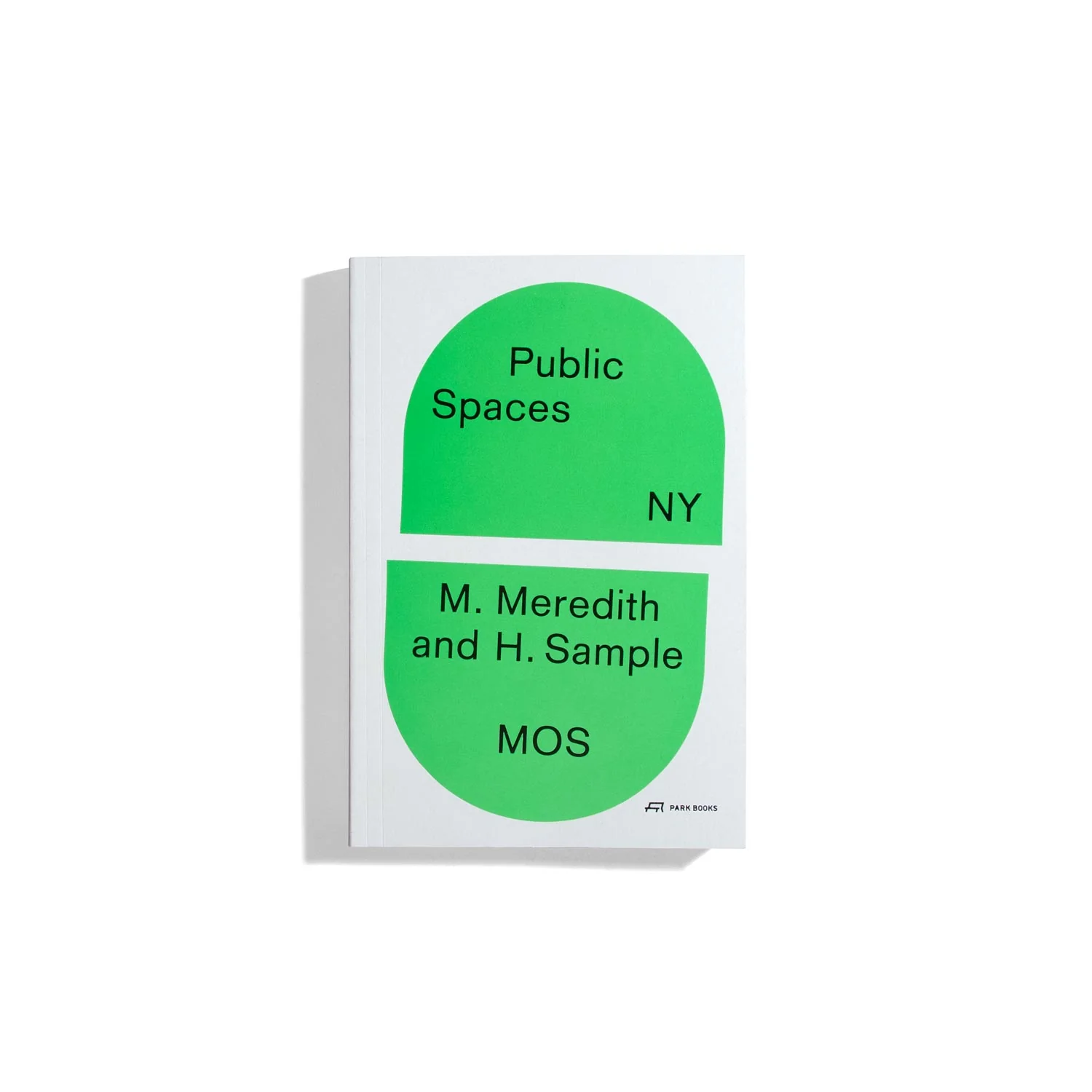
In Public Spaces, NY, Michael Meredith and Hilary Sample document and analyse parks, streets, community gardens, privately owned urban spaces, recreational areas, waterfront areas and cemeteries in the New York borough of Manhattan. The book provides an understanding of the design, construction and management of these outdoor spaces. Detailed drawings and speculative illustrations visualise how they are used by people. By examining how public spaces facilitate or hinder integration, and by describing in detail the conflicts and negotiations necessary to resolve them, the book fuels the discourse on the future design of public life in America's most densely populated city.
With this sequel to their earlier study Vacant Spaces, NY (2021), Michael Meredith and Hilary Sample offer a vision for more inclusive, equitable shared urban spaces in which we move.
Produktinformationen
Produktinformationen
Versand & Rückgabe
Versand & Rückgabe
Description
There is no such thing as a perfect public space. Public space is constantly changing, shifting and never truly fixed. It is shaped by laws, regulations, private property and the activities of city administrations. Public space is influenced both by the people who oversee it and those who use it – and is therefore never neutral.
In Public Spaces, NY, Michael Meredith and Hilary Sample document and analyse parks, streets, community gardens, privately owned urban spaces, recreational areas, waterfront areas and cemeteries in the New York borough of Manhattan. The book provides an understanding of the design, construction and management of these outdoor spaces. Detailed drawings and speculative illustrations visualise how they are used by people. By examining how public spaces facilitate or hinder integration, and by describing in detail the conflicts and negotiations necessary to resolve them, the book fuels the discourse on the future design of public life in America's most densely populated city.
With this sequel to their earlier study Vacant Spaces, NY (2021), Michael Meredith and Hilary Sample offer a vision for more inclusive, equitable shared urban spaces in which we move.