P.lace.s
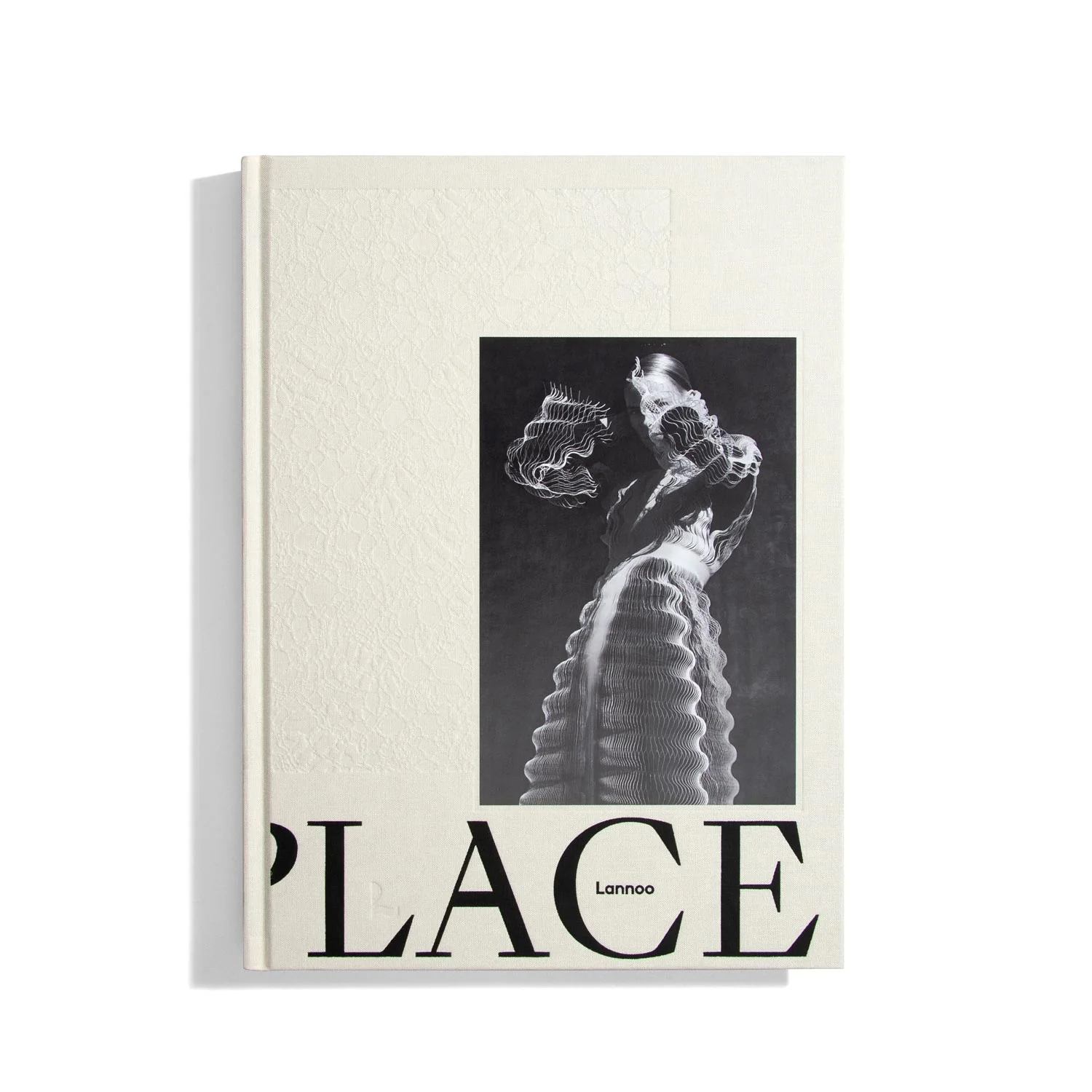
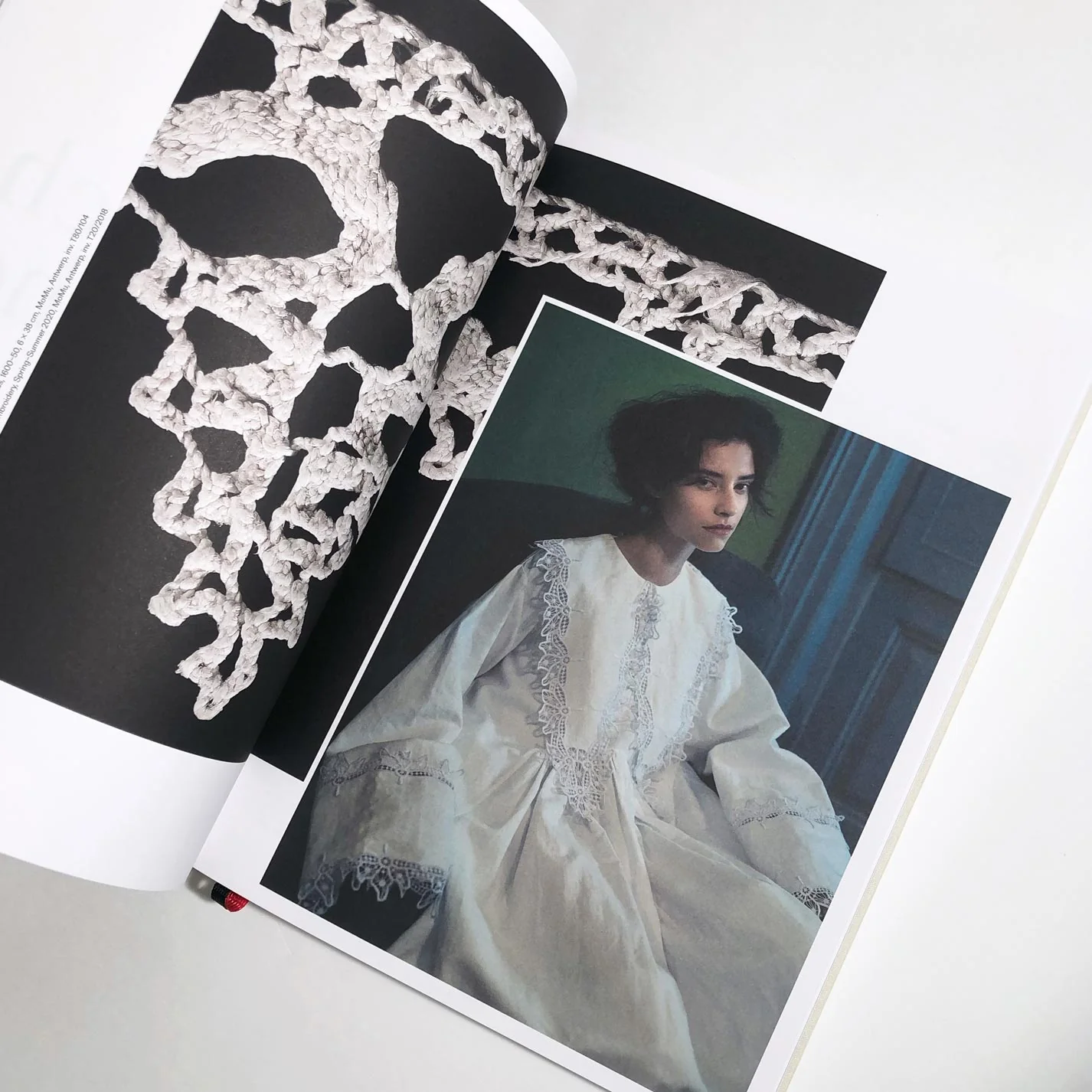
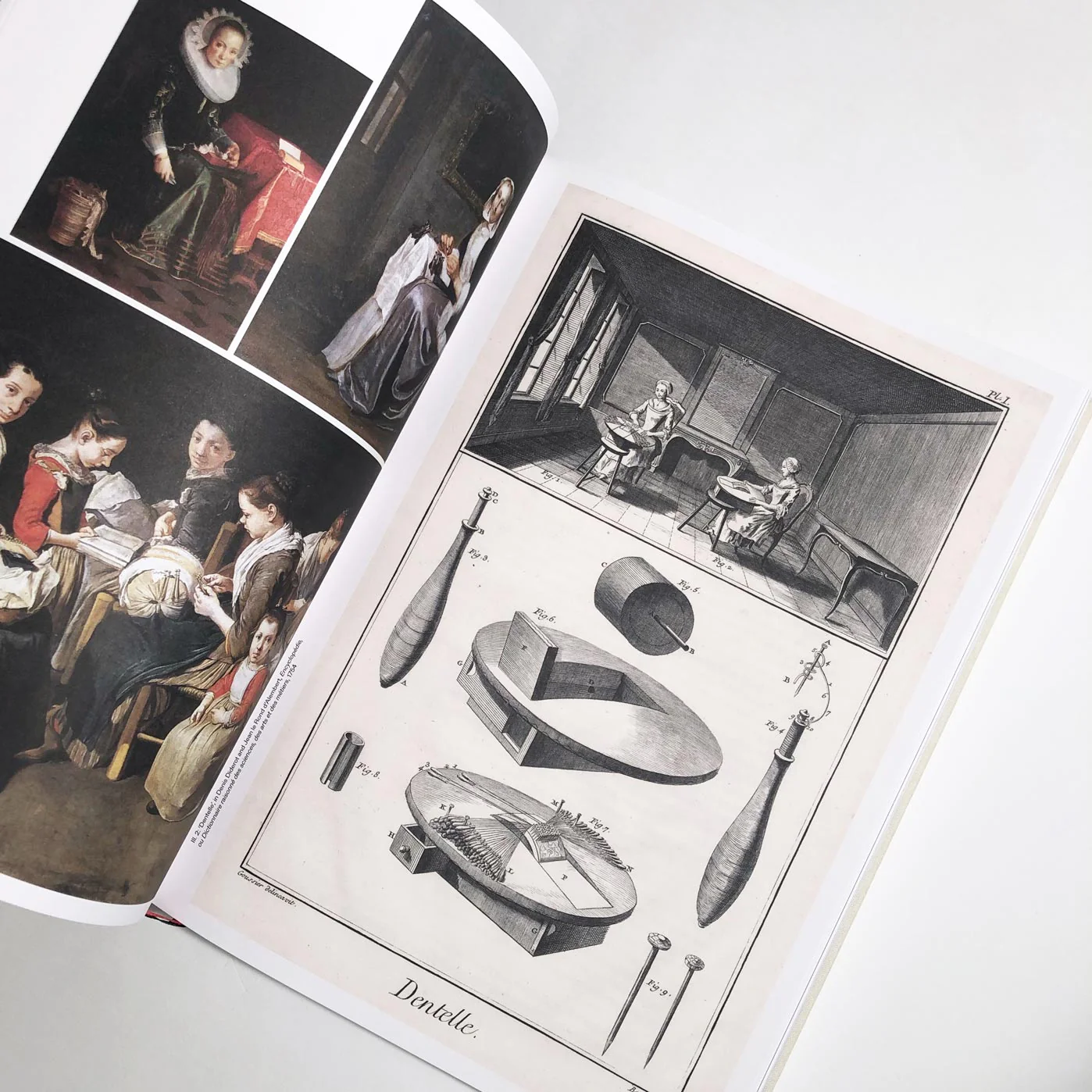
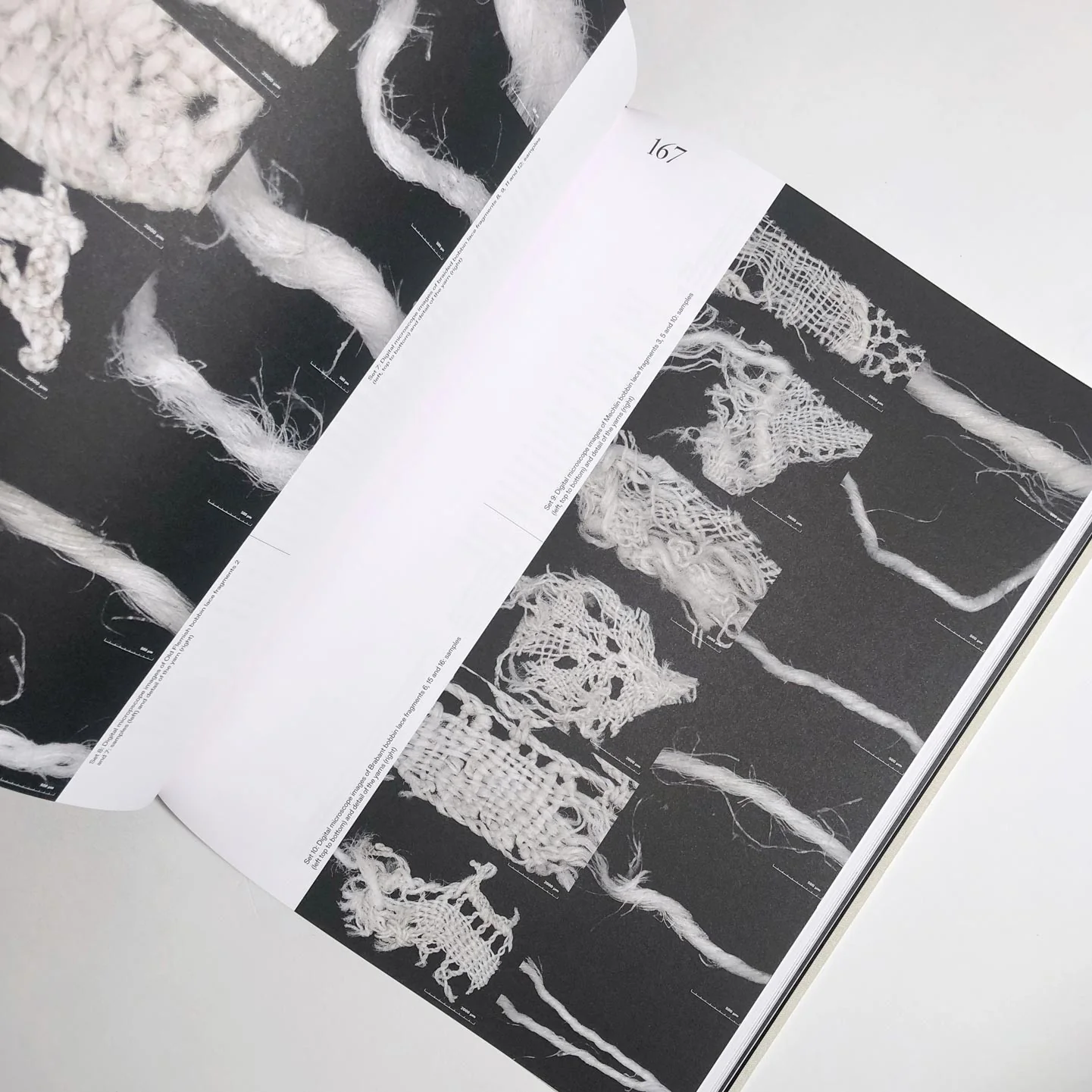
With a focus on lace-making in Flanders, this sweeping history of lace documents an exhibition at MoMu, the Antwerp Fashion Museum.moreWith ‘P.LACE.S – Looking Through Flemish Lace’, MoMu – Fashion Museum Antwerp highlights the socio-economic and artistic importance of the lace that was long created and traded in Antwerp. By bringing together and contextualizing historical lace, paintings and archival documents from European and American collections, this book and the corresponding exhibition reveal how, for centuries, Flemish lace was a prominent presence in fashion, interior design and religion. MoMu, moreover, presents this rich history in an exciting dialogue with contemporary, often high-tech fashion creations that specifically refer to lace in form or concept. From the mid-sixteenth to the mid eighteenth century, Antwerp played a leading role in the creation and distribution of lace – without the city’s name being attached to any single type of lace. Fired by an inspired mercantile spirit, lace production of all kinds was developed and sold to a diverse and international clientele, as Antwerp adapted to the specific needs of the importing countries. In contrast to Brussels, Bruges or Mechelen, for example, this lack of ‘name branding’ is one of the reasons why publications on lace often only mention Antwerp in passing. ‘P.LACE.S – Looking Through Flemish Lace’ highlights the vital role the city played in the production and trade of lace.
Original: $75.36
-65%$75.36
$26.38Produktinformationen
Produktinformationen
Versand & Rückgabe
Versand & Rückgabe
Description
With a focus on lace-making in Flanders, this sweeping history of lace documents an exhibition at MoMu, the Antwerp Fashion Museum.moreWith ‘P.LACE.S – Looking Through Flemish Lace’, MoMu – Fashion Museum Antwerp highlights the socio-economic and artistic importance of the lace that was long created and traded in Antwerp. By bringing together and contextualizing historical lace, paintings and archival documents from European and American collections, this book and the corresponding exhibition reveal how, for centuries, Flemish lace was a prominent presence in fashion, interior design and religion. MoMu, moreover, presents this rich history in an exciting dialogue with contemporary, often high-tech fashion creations that specifically refer to lace in form or concept. From the mid-sixteenth to the mid eighteenth century, Antwerp played a leading role in the creation and distribution of lace – without the city’s name being attached to any single type of lace. Fired by an inspired mercantile spirit, lace production of all kinds was developed and sold to a diverse and international clientele, as Antwerp adapted to the specific needs of the importing countries. In contrast to Brussels, Bruges or Mechelen, for example, this lack of ‘name branding’ is one of the reasons why publications on lace often only mention Antwerp in passing. ‘P.LACE.S – Looking Through Flemish Lace’ highlights the vital role the city played in the production and trade of lace.