Mise en abyme
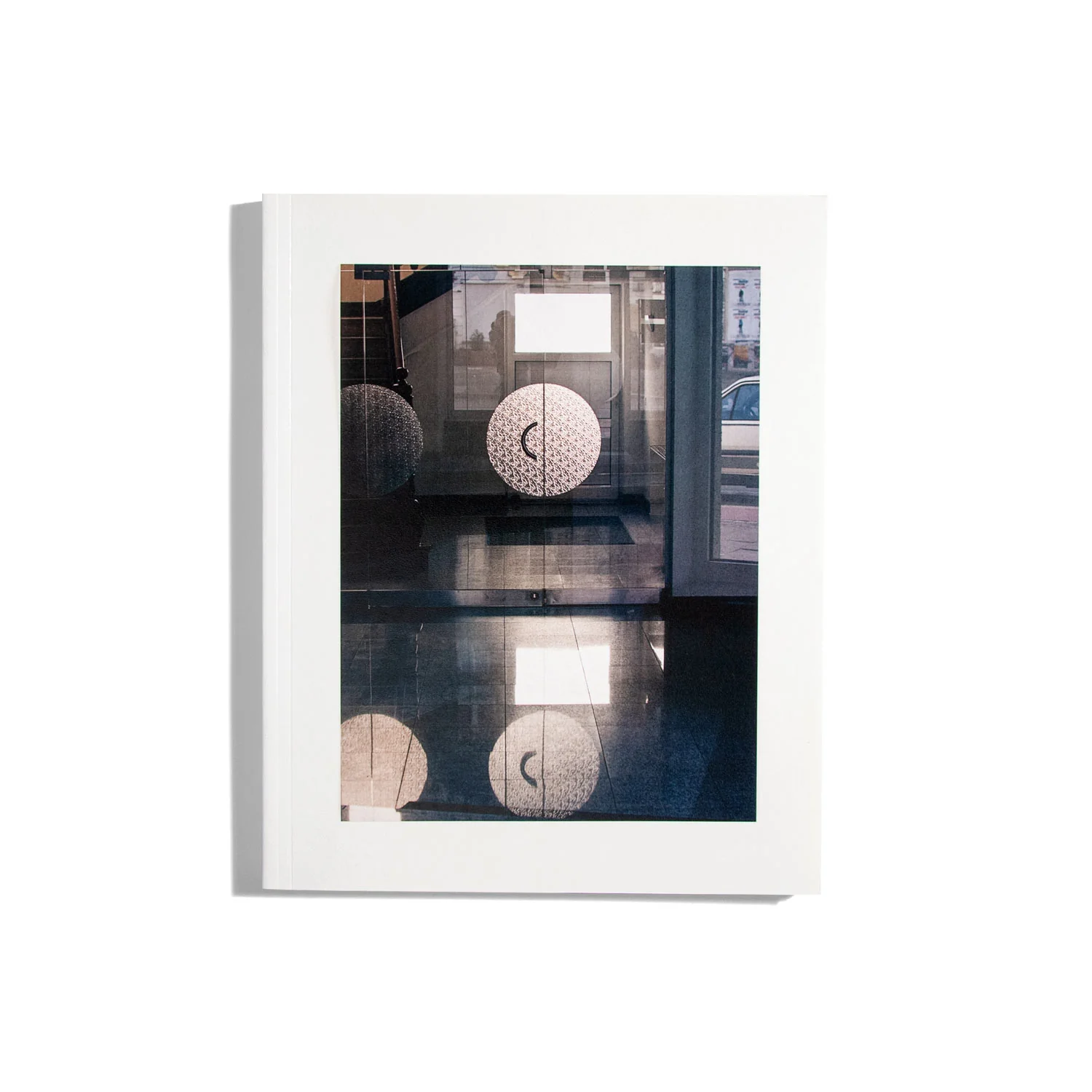
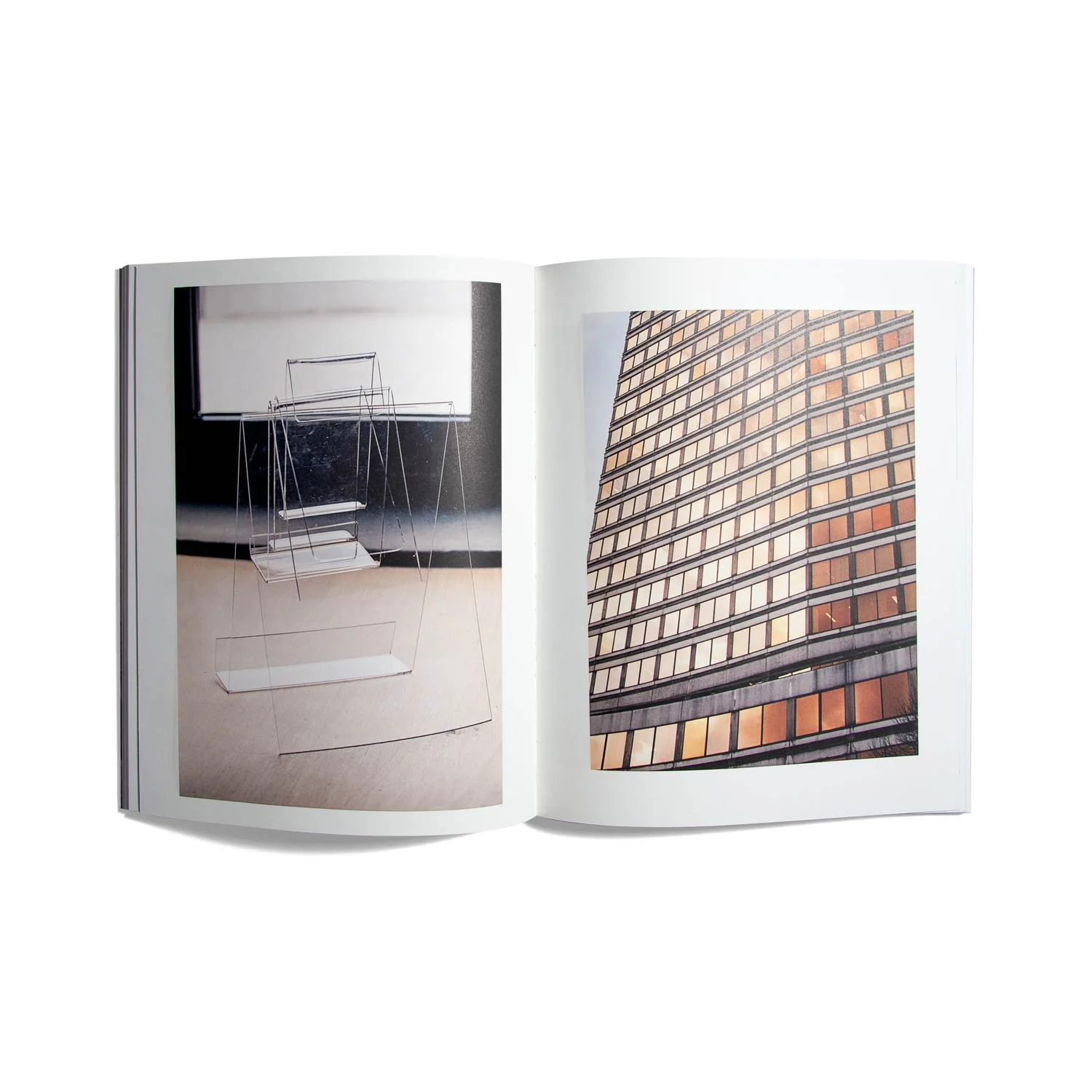
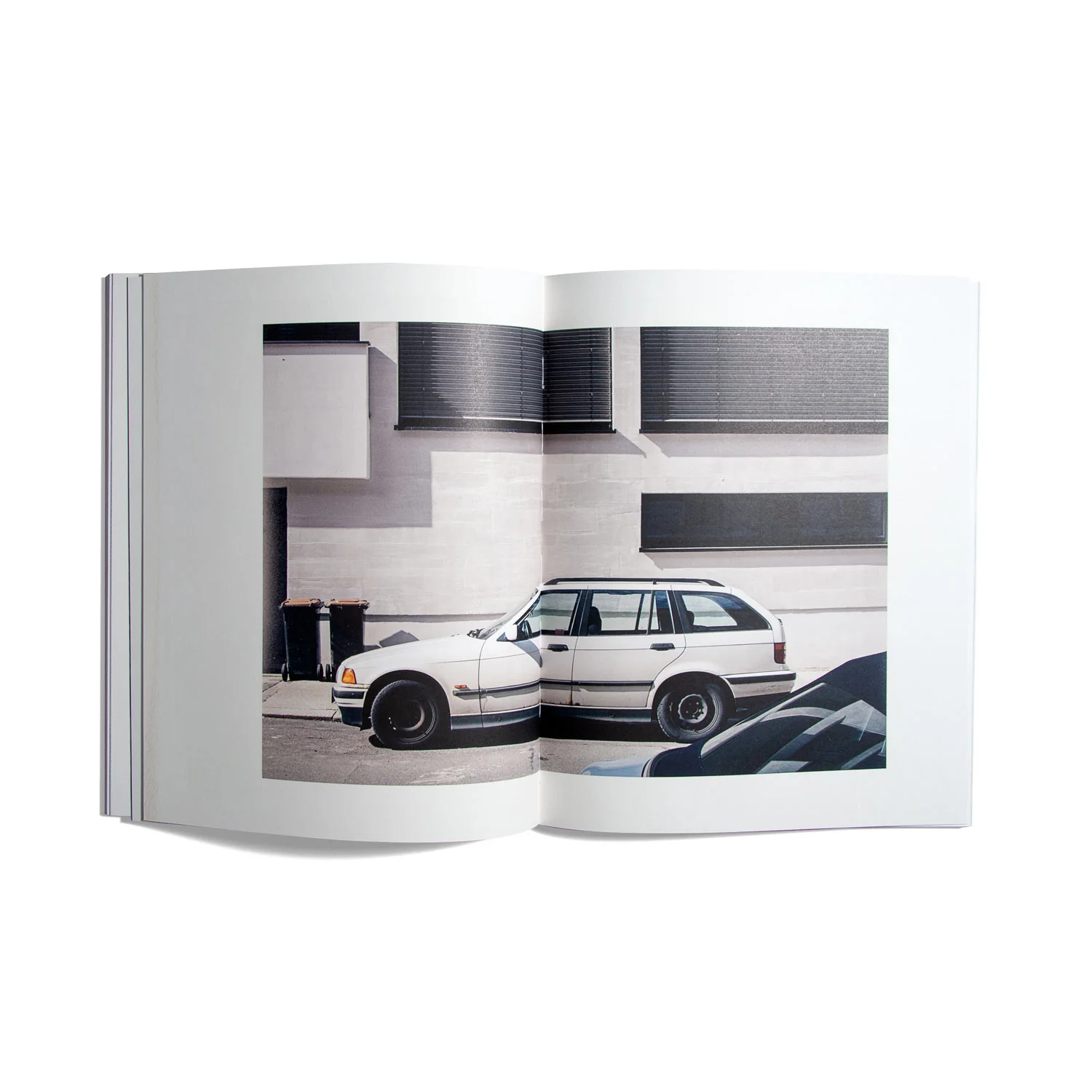
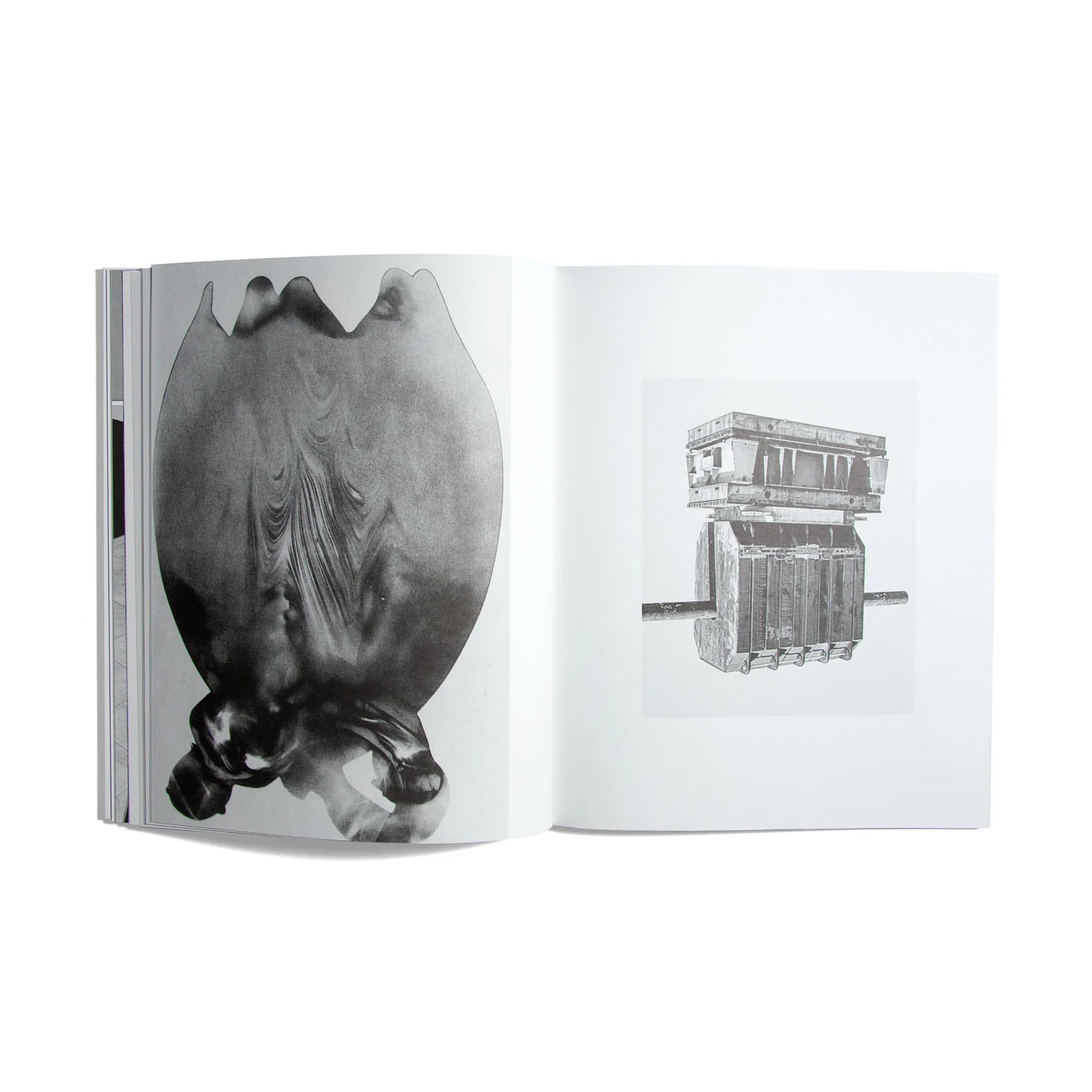
Jan Mammey’s ‘Mise en Abyme’ looks at how a photographer looks. As the title suggests, each picture has a picture within the picture, in fact an image, or several, pinned up in the artist’s studio and documented again. What is more, Mammey first shots focus on modes of presentation – advertising, diagrams, architectural models, picture frames – so that subjects nest within subjects. Yet despite the matryoshka doll construction, the originally photographed image subjects overcome their framing, even when masking tape or a picture frame are clear elements of the composition. ‘Mise en Abyme’ started from Mammey’s archive of several thousand pictures taken as he moves through urban environments, a body that has built up alongside his conceptual photographic practice. Little is given away of their specific origins, which range from Delhi to Key Largo, although the majority are German. The sober tone suggests Neue Sachlichkeit, though the de-populated streets are akin to Atget’s empty Paris of a hundred years ago. The patchwork of impressions includes street furniture, building details, facades, interiors, shadows on floors and scaffolding with occasional book pages. Paging through the publications, ideas are repeated and abstracted: buildings that look like models, then pictures of building models. The picture within the picture relates also to a common formal vocabulary – Mammey’s own perspective – using which he creates complex interplays of scale and subject.‘Mise en Abyme’ includes an essay by Carsten Tabel, who shares Mammey’s cultural and architectural heritage. Both grew up in suburban Frankfurt and studied and work in cities where building papers over the fractured parts coming together within re-unified Germany. At first at a loss to how to approach a subject that resonated deeply, Tabel’s essay considers the contemporary photographer artist’s bind and how Mammey addresses that through photographing photography. Jan Mammey (b.1972) studied in Munich and at the Hochschule für Grafik und Buchkunst Leipzig, where he was a Meisterschüler in Heidi Specker’s class. He has been awarded several North American residencies and won first prize for photography in the International Marianne Brandt Competition in 2013.
Produktinformationen
Produktinformationen
Versand & Rückgabe
Versand & Rückgabe
Description
Jan Mammey’s ‘Mise en Abyme’ looks at how a photographer looks. As the title suggests, each picture has a picture within the picture, in fact an image, or several, pinned up in the artist’s studio and documented again. What is more, Mammey first shots focus on modes of presentation – advertising, diagrams, architectural models, picture frames – so that subjects nest within subjects. Yet despite the matryoshka doll construction, the originally photographed image subjects overcome their framing, even when masking tape or a picture frame are clear elements of the composition. ‘Mise en Abyme’ started from Mammey’s archive of several thousand pictures taken as he moves through urban environments, a body that has built up alongside his conceptual photographic practice. Little is given away of their specific origins, which range from Delhi to Key Largo, although the majority are German. The sober tone suggests Neue Sachlichkeit, though the de-populated streets are akin to Atget’s empty Paris of a hundred years ago. The patchwork of impressions includes street furniture, building details, facades, interiors, shadows on floors and scaffolding with occasional book pages. Paging through the publications, ideas are repeated and abstracted: buildings that look like models, then pictures of building models. The picture within the picture relates also to a common formal vocabulary – Mammey’s own perspective – using which he creates complex interplays of scale and subject.‘Mise en Abyme’ includes an essay by Carsten Tabel, who shares Mammey’s cultural and architectural heritage. Both grew up in suburban Frankfurt and studied and work in cities where building papers over the fractured parts coming together within re-unified Germany. At first at a loss to how to approach a subject that resonated deeply, Tabel’s essay considers the contemporary photographer artist’s bind and how Mammey addresses that through photographing photography. Jan Mammey (b.1972) studied in Munich and at the Hochschule für Grafik und Buchkunst Leipzig, where he was a Meisterschüler in Heidi Specker’s class. He has been awarded several North American residencies and won first prize for photography in the International Marianne Brandt Competition in 2013.