K-Artists
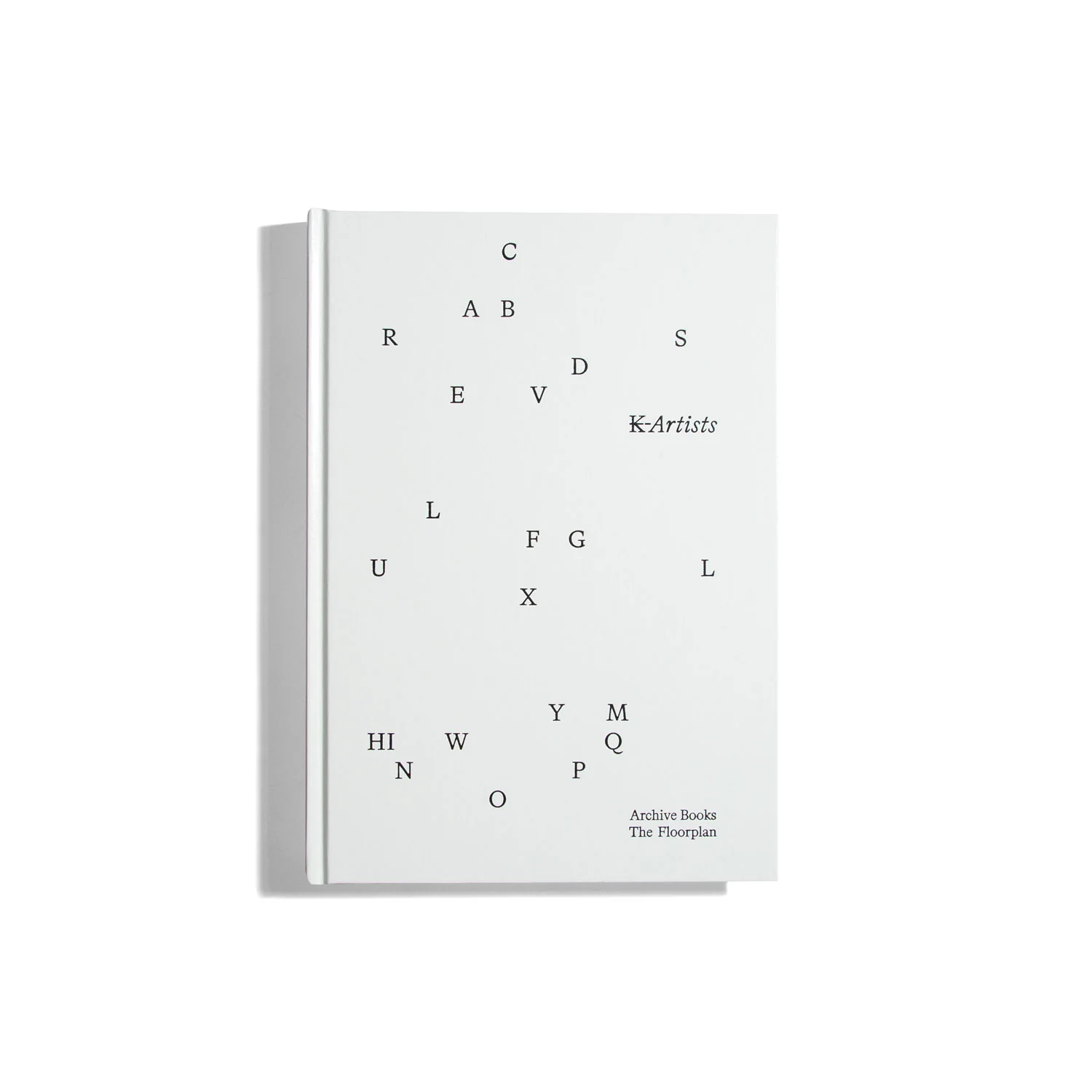
There has been a recent surge of global interest in Korean arts and popular culture, as evidenced by neologisms such as K-pop, K-drama and K-classic. Korean contemporary art has also captured the attention of a growing number of international biennales, exhibitions and fairs, attracting an international audience to Korea’s local artists and the scene they comprise. This is where our questions begin: despite a growing sense of nationalism in the global political stage, through a post-postmodernist lens, national categorization appears anachronistic. Is the prefix ‘K’ then a mere political ploy and capitalist commodity? If ‘K’ were to be removed, on the other hand, how else might we attempt at providing a portrait of the changing currents in Korea’s art scene? Is collective categorization or generalization ever worthwhile, and if so, to what extent can it be done without reducing or marginalizing individuals?
Original: $35.33
-65%$35.33
$12.37Produktinformationen
Produktinformationen
Versand & Rückgabe
Versand & Rückgabe
Description
There has been a recent surge of global interest in Korean arts and popular culture, as evidenced by neologisms such as K-pop, K-drama and K-classic. Korean contemporary art has also captured the attention of a growing number of international biennales, exhibitions and fairs, attracting an international audience to Korea’s local artists and the scene they comprise. This is where our questions begin: despite a growing sense of nationalism in the global political stage, through a post-postmodernist lens, national categorization appears anachronistic. Is the prefix ‘K’ then a mere political ploy and capitalist commodity? If ‘K’ were to be removed, on the other hand, how else might we attempt at providing a portrait of the changing currents in Korea’s art scene? Is collective categorization or generalization ever worthwhile, and if so, to what extent can it be done without reducing or marginalizing individuals?