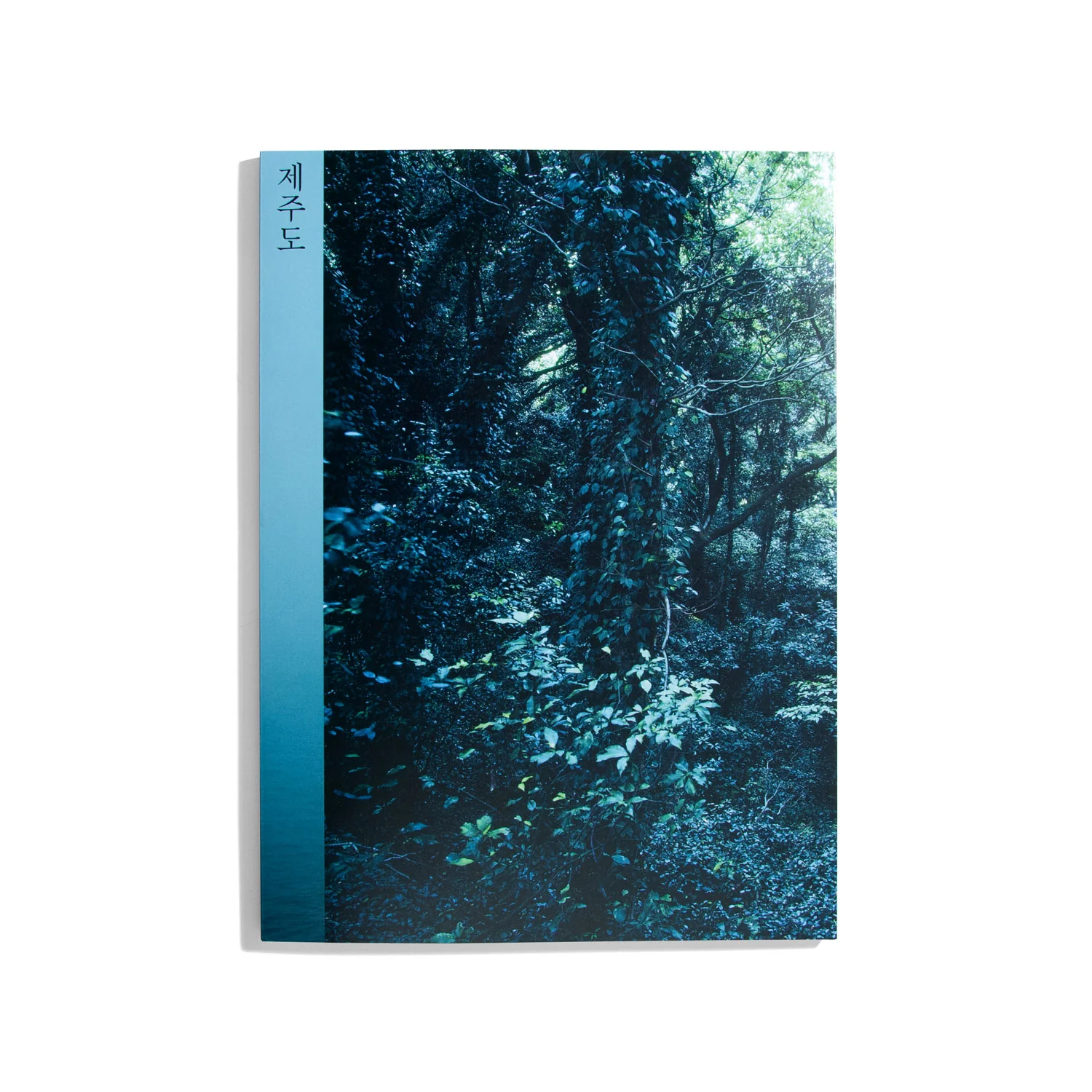
Jejudo - Hyung-Geun Park
In his youth, Hyung-Geun Park (KR) often played with other children in the caves around the oreum (small extinct volcanoes) near his village on Jeju Island (제주도, Jejudo). The caves that once inspired the children’s sense of adventure were later discovered to be remains of Japanese military fortifications from the Second World War. The island was a strategic military stronghold and was heavily fortified by the Japanese army.
Jeju Island is South Korea’s largest island known for its mild climate and abundant nature. Its history is marked by the tragic April 3 Incident (1948–1949), a period of extreme violence when the Korean government forces massacred innocent civilians in a brutal suppression of a local uprising. Over 30,000 people, more than 10% of the island’s population, were killed and almost all the villages in the central mountainous regions were burned to the ground. This dark chapter in Jeju’s history made a deep impression on Park, who learned that many of today’s tourist sites were once scenes of mass killings.
Jejudo is a seventeen-year journey through the island’s complex history. Park’s fascination with the landscape takes us from rugged natural scenes to abandoned buildings that serve as reminders of the island’s often unacknowledged histories and its ongoing transformation. His photographs reveal spaces that were once populated, prompting the viewer to reflect on the countless people who vanished.
An important part of Park’s work is the series Forbidden Forest, which centres on Jeju Gotjawal, a dense evergreen forest in the western part of the island. This man-made environment was created by locals to protect themselves from wildfires. Evoking a sense of timelessness, its labyrinthine thorny bushes and stark silhouettes symbolise Jeju’s resilience.
With essays by Elisa Medde and Nayun Jang.
Original: $49.46
-65%$49.46
$17.31Produktinformationen
Produktinformationen
Versand & Rückgabe
Versand & Rückgabe
Description
In his youth, Hyung-Geun Park (KR) often played with other children in the caves around the oreum (small extinct volcanoes) near his village on Jeju Island (제주도, Jejudo). The caves that once inspired the children’s sense of adventure were later discovered to be remains of Japanese military fortifications from the Second World War. The island was a strategic military stronghold and was heavily fortified by the Japanese army.
Jeju Island is South Korea’s largest island known for its mild climate and abundant nature. Its history is marked by the tragic April 3 Incident (1948–1949), a period of extreme violence when the Korean government forces massacred innocent civilians in a brutal suppression of a local uprising. Over 30,000 people, more than 10% of the island’s population, were killed and almost all the villages in the central mountainous regions were burned to the ground. This dark chapter in Jeju’s history made a deep impression on Park, who learned that many of today’s tourist sites were once scenes of mass killings.
Jejudo is a seventeen-year journey through the island’s complex history. Park’s fascination with the landscape takes us from rugged natural scenes to abandoned buildings that serve as reminders of the island’s often unacknowledged histories and its ongoing transformation. His photographs reveal spaces that were once populated, prompting the viewer to reflect on the countless people who vanished.
An important part of Park’s work is the series Forbidden Forest, which centres on Jeju Gotjawal, a dense evergreen forest in the western part of the island. This man-made environment was created by locals to protect themselves from wildfires. Evoking a sense of timelessness, its labyrinthine thorny bushes and stark silhouettes symbolise Jeju’s resilience.
With essays by Elisa Medde and Nayun Jang.