Digesting Metabolism
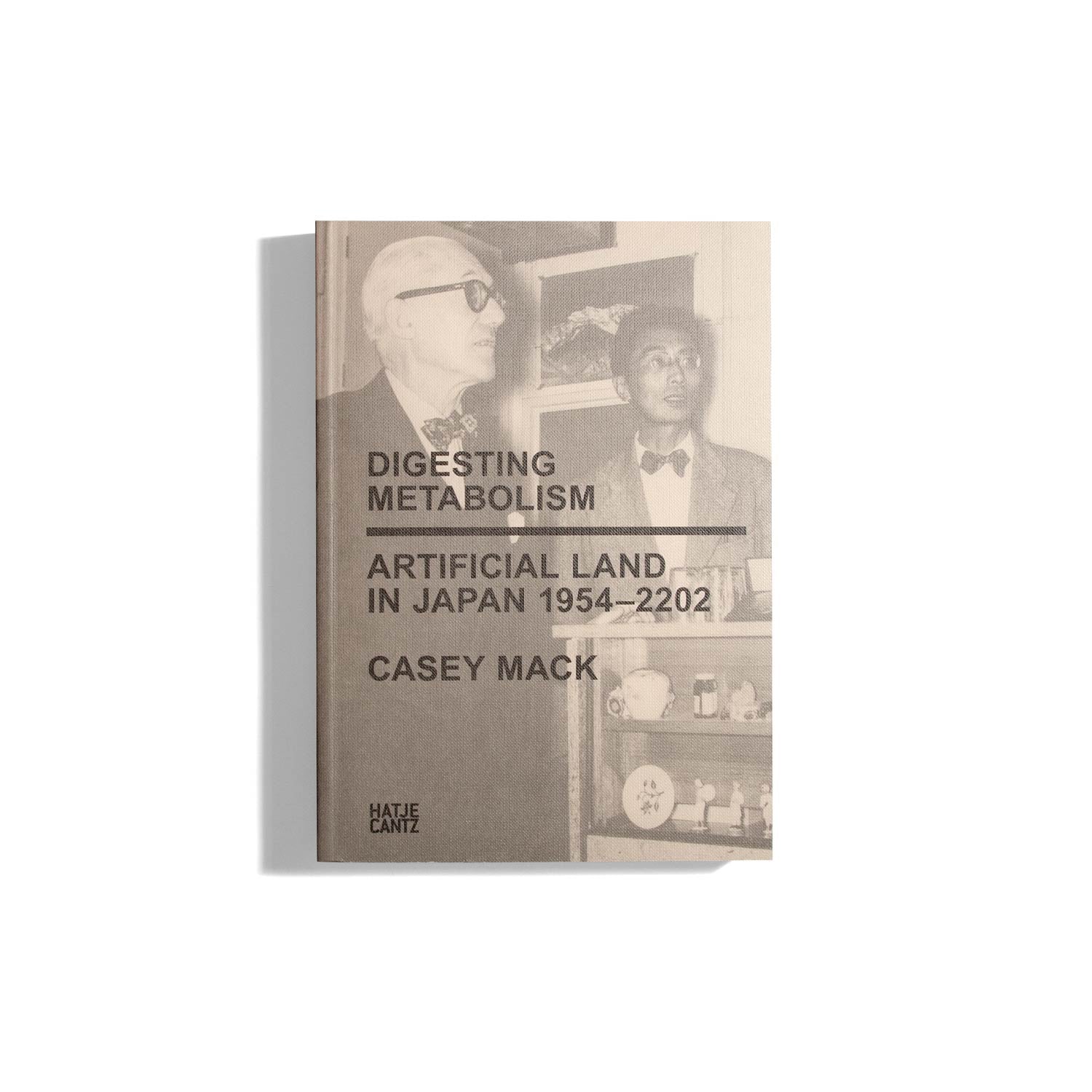
How can housing better meet people’s diverse and changing needs? Moving away from the focus on capsule architecture that dominates so many studies of Japan’s Metabolist architects, Digesting Metabolism investigates the impact on Japanese housing of Le Corbusier’s idea of “artificial land,” perhaps architecture’s most famous concept that the fewest have heard of. Long buried by the term “megastructure” that it inspired, artificial land joins the individual and collective, envisioning housing as stacked platforms of plots for building freestanding homes of all variety. This book explores in detail eleven Japanese projects that translate this dream of durability combined with flexibility into built reality, illuminating its appeal for a nation whose existing land—from both earthquakes and cost—is highly unstable. First introduced to Japan in 1954 by Le Corbusier’s protégé, Takamasa Yosizaka, artificial land is essential to the Metabolists who debuted in Tokyo in 1960, with it sparking their desire to add “a time factor into city planning.” Yet artificial land has had a hold on Japan’s metabolic imagination well beyond the ‘60s, promising domestic satisfaction and environmental resilience from the postwar period to today’s government policies. Digesting Metabolism uncovers this unique Japanese history and its possible future, finding examples of infrastructure, adaptation, and dweller control that challenge commodified models of housing around the world.
Original: $56.52
-65%$56.52
$19.78Produktinformationen
Produktinformationen
Versand & Rückgabe
Versand & Rückgabe
Description
How can housing better meet people’s diverse and changing needs? Moving away from the focus on capsule architecture that dominates so many studies of Japan’s Metabolist architects, Digesting Metabolism investigates the impact on Japanese housing of Le Corbusier’s idea of “artificial land,” perhaps architecture’s most famous concept that the fewest have heard of. Long buried by the term “megastructure” that it inspired, artificial land joins the individual and collective, envisioning housing as stacked platforms of plots for building freestanding homes of all variety. This book explores in detail eleven Japanese projects that translate this dream of durability combined with flexibility into built reality, illuminating its appeal for a nation whose existing land—from both earthquakes and cost—is highly unstable. First introduced to Japan in 1954 by Le Corbusier’s protégé, Takamasa Yosizaka, artificial land is essential to the Metabolists who debuted in Tokyo in 1960, with it sparking their desire to add “a time factor into city planning.” Yet artificial land has had a hold on Japan’s metabolic imagination well beyond the ‘60s, promising domestic satisfaction and environmental resilience from the postwar period to today’s government policies. Digesting Metabolism uncovers this unique Japanese history and its possible future, finding examples of infrastructure, adaptation, and dweller control that challenge commodified models of housing around the world.