Dear God, the Parthenon is still broken - Yorgos Lanthimos
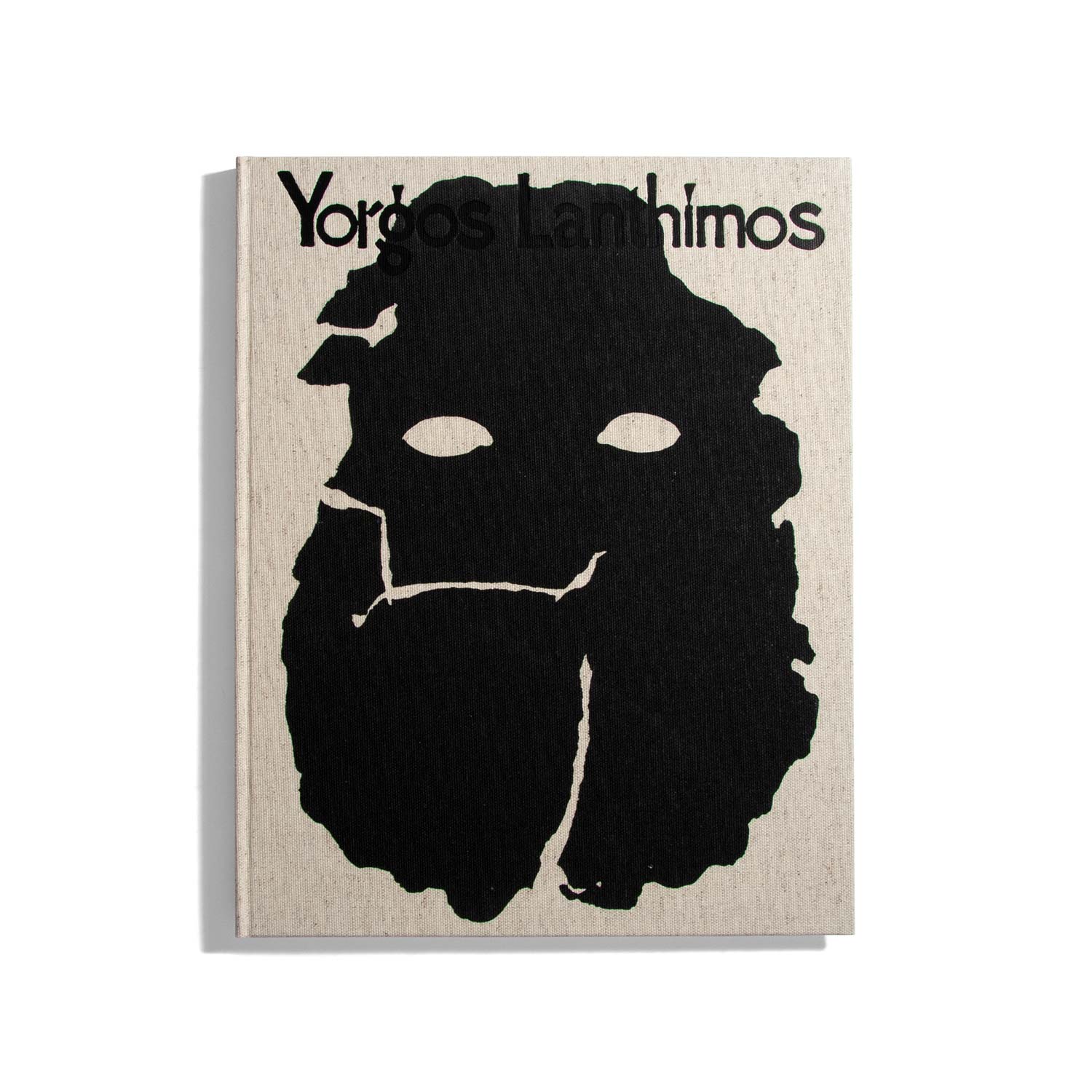
‘Dear God, the Parthenon is still broken’ is a photographic vignette by Yorgos Lanthimos. Although created on the set of the film ‘Poor Things’ in Budapest, the book inhabits a separate world, untethered from time and place.
The photographs drift between black and white and colour, giving the impression of a waking dream between past and present, whilst multiple layers between reality and fiction are gradually revealed. The film was set in various late 19th century locations including London, Lisbon, Marseille, and a cruise ship—all recreated in Budapest. These constructed cities and interiors provide the backdrop for the photographs. The characters populate these imagined cities whilst the precarious screens, scaffolding, rigs, lighting and crew are divulged on the periphery of the images. Lanthimos has intentionally widened the frame to show the workings of the construct, fabricating a new story within the story. To mirror this, the publication is designed with foldouts to reveal these constructs within the cast of characters—the reader opens a book within a book.
Original: $71.83
-65%$71.83
$25.14Produktinformationen
Produktinformationen
Versand & Rückgabe
Versand & Rückgabe
Description
‘Dear God, the Parthenon is still broken’ is a photographic vignette by Yorgos Lanthimos. Although created on the set of the film ‘Poor Things’ in Budapest, the book inhabits a separate world, untethered from time and place.
The photographs drift between black and white and colour, giving the impression of a waking dream between past and present, whilst multiple layers between reality and fiction are gradually revealed. The film was set in various late 19th century locations including London, Lisbon, Marseille, and a cruise ship—all recreated in Budapest. These constructed cities and interiors provide the backdrop for the photographs. The characters populate these imagined cities whilst the precarious screens, scaffolding, rigs, lighting and crew are divulged on the periphery of the images. Lanthimos has intentionally widened the frame to show the workings of the construct, fabricating a new story within the story. To mirror this, the publication is designed with foldouts to reveal these constructs within the cast of characters—the reader opens a book within a book.