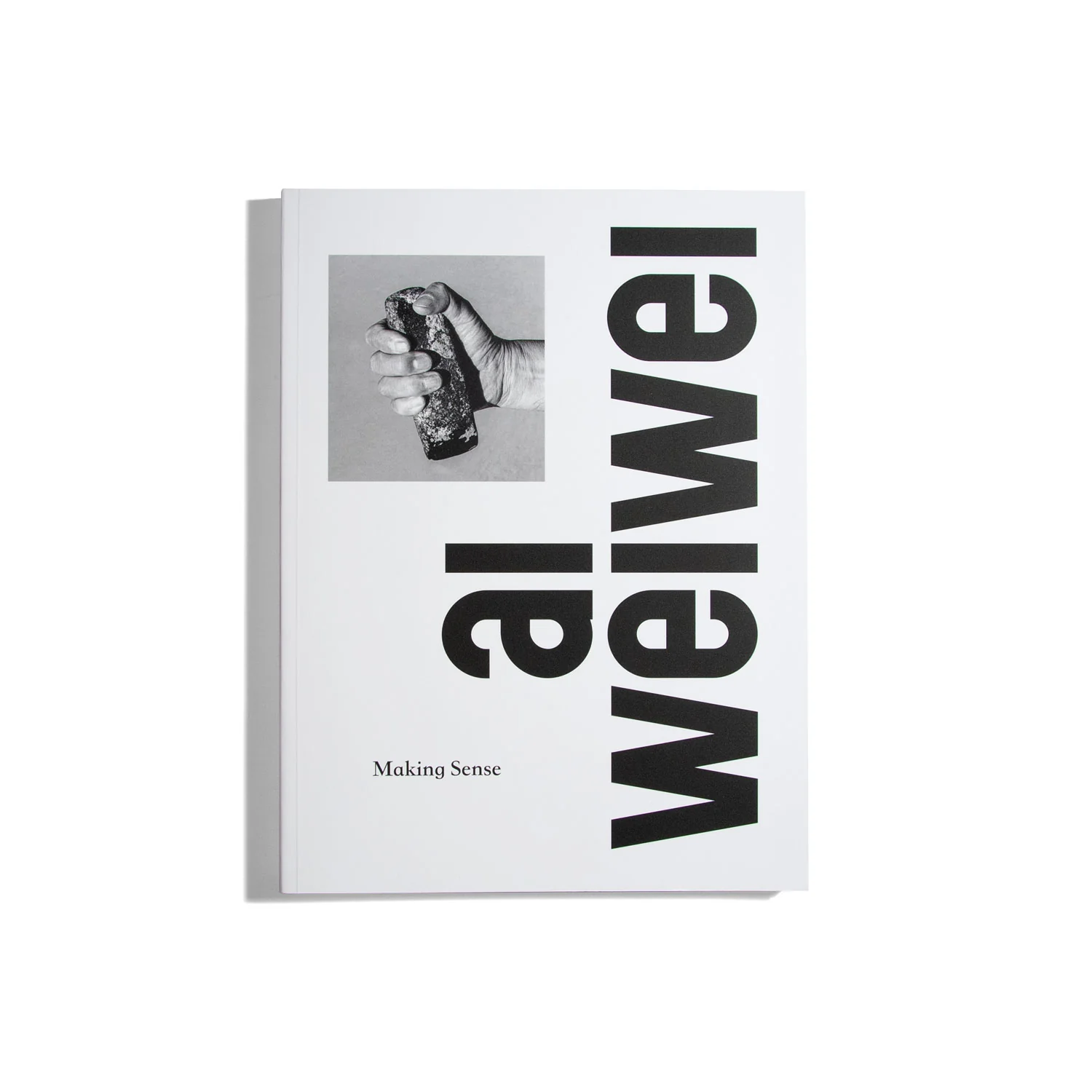
Ai Weiwei - Making Sense
Ai Weiwei’s archaeological exploration of the histories and skills that have been ignored or erased, through objects from his personal collections: Known around the world for his powerful art and activism, Ai Weiwei (born 1957) does not differentiate between disciplines: his practice glides across art, architecture, design, film, collecting and curating. Richly illustrated with over 200 images, Ai Weiwei: Making Sense is the first major publication to present Ai’s work as a commentary on design and what it reveals about our changing values. It presents a selection of Ai’s collected objects, from ancient stone axe heads to porcelain teapot spouts, from Neolithic tools to modern mass-produced products, as well as new works created specifically for the Design Museum. These collections draw from the artist’s fascination with historical Chinese artifacts, placing their craftsmanship in dialogue with China’s more recent history of demolition and urban development. Also featured are essays by leading experts covering dominant themes in Ai’s work, such as craft, collecting and the urbanization and industrialization of China. It concludes with an interview between renowned British Israeli architect Eyal Weizman and Ai himself.
Produktinformationen
Produktinformationen
Versand & Rückgabe
Versand & Rückgabe
Description
Ai Weiwei’s archaeological exploration of the histories and skills that have been ignored or erased, through objects from his personal collections: Known around the world for his powerful art and activism, Ai Weiwei (born 1957) does not differentiate between disciplines: his practice glides across art, architecture, design, film, collecting and curating. Richly illustrated with over 200 images, Ai Weiwei: Making Sense is the first major publication to present Ai’s work as a commentary on design and what it reveals about our changing values. It presents a selection of Ai’s collected objects, from ancient stone axe heads to porcelain teapot spouts, from Neolithic tools to modern mass-produced products, as well as new works created specifically for the Design Museum. These collections draw from the artist’s fascination with historical Chinese artifacts, placing their craftsmanship in dialogue with China’s more recent history of demolition and urban development. Also featured are essays by leading experts covering dominant themes in Ai’s work, such as craft, collecting and the urbanization and industrialization of China. It concludes with an interview between renowned British Israeli architect Eyal Weizman and Ai himself.